THE PURRJUNG FIELD GUIDE · CAT HEALTH
Know their usual.Notice the little changes.
A meal, a litter-box visit, a leap onto the windowsill. Get to know the body behind these everyday moments, what to notice, and when to ask your vet for help.

An introduction for cat caregivers. Diagnosis, medication and individual care plans need a veterinarian.
Signs that need urgent care01 · Meet the body
One cat. Six ways to understand them.
Choose a number to explore a body system, its everyday job and a small act of care. Observe gently; there is no need to press or restrain your cat.
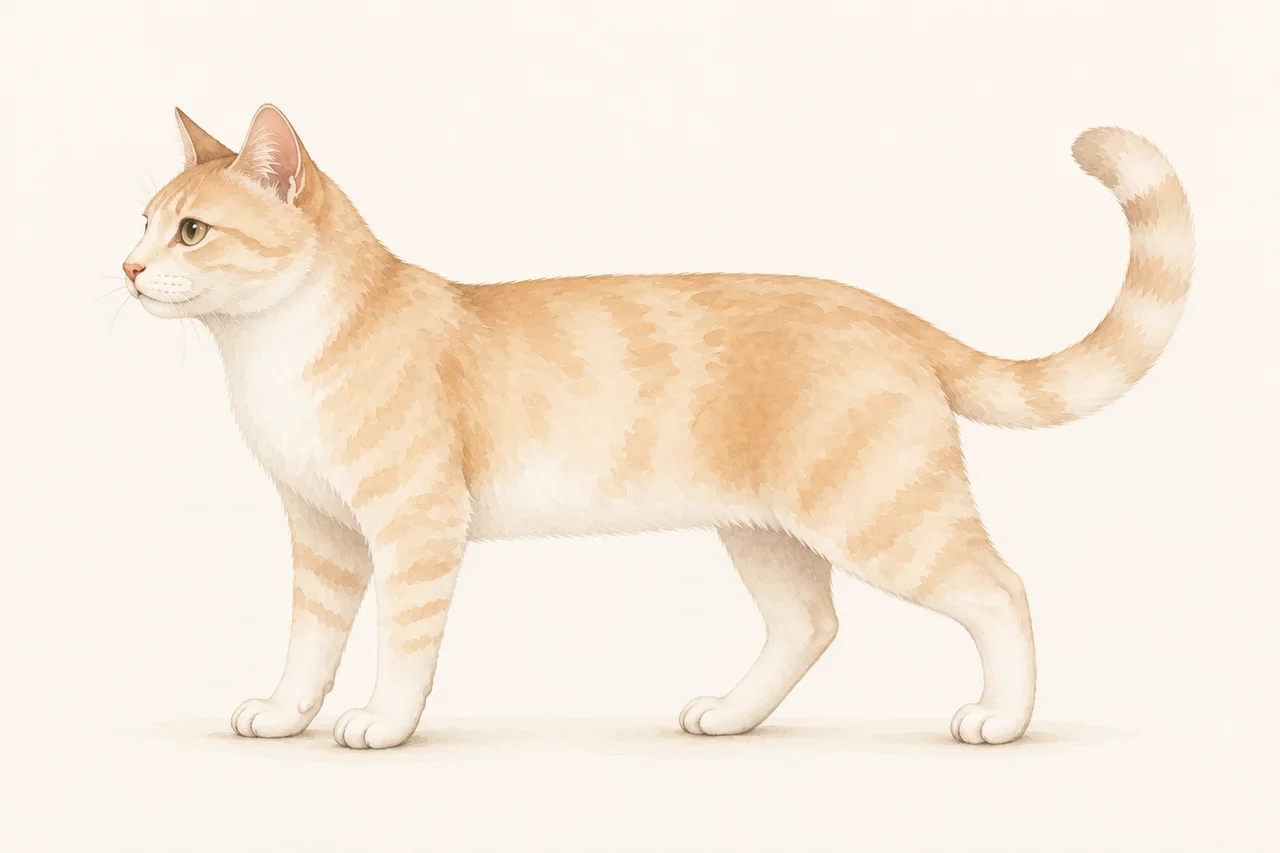
Choose a number or a topic. Its notes appear beside or below the illustration.
At mealtime
Mouth & teeth
Teeth · gums · tongue
- Its everyday job
- Teeth grasp and cut food. The tongue moves food and water and helps groom the coat.
- What to notice
- Notice chewing, dropped food, drooling and new bad breath. A cat can keep eating despite mouth pain.
- A small act of care
- Build up gentle brushing with cat toothpaste. If the mouth looks sore, ask the vet before brushing.
Read the sourcesMerck Veterinary Manual: Physical Description of CatsCornell Feline Health Center: Feline Dental Disease
While they rest
Heart & lungs
Airways · lungs · heart
- Its everyday job
- Lungs exchange oxygen and carbon dioxide; the heart circulates blood to carry oxygen around the body.
- What to notice
- Watch breathing when your cat is relaxed or asleep. Notice new effort, coughing or a persistent change from their usual pattern.
- A small act of care
- Avoid tobacco smoke and irritating sprays. Open-mouth or labored breathing needs emergency care.
Read the sourcesMerck Veterinary Manual: Introduction to Lung and Airway Disorders of CatsCornell Feline Health Center: Dyspnea (Difficulty Breathing)
Around food and the litter box
Digestion & nutrition
Stomach · intestines · liver · pancreas
- Its everyday job
- The digestive tract breaks food down and absorbs nutrients. The liver and pancreas help digestion and nutrient processing.
- What to notice
- Notice appetite, vomiting, stool and weight trends. Repeated vomiting is not a normal grooming routine.
- A small act of care
- Offer complete cat food for the right life stage, introduce changes gradually, and keep fresh water available.
Read the sourcesMerck Veterinary Manual: Introduction to Digestive Disorders of CatsCornell Feline Health Center: Feeding Your Cat
When you scoop the litter
Kidneys & bladder
Kidneys · ureters · bladder · urethra
- Its everyday job
- Kidneys filter blood and regulate water and waste. Urine travels to the bladder before leaving through the urethra.
- What to notice
- Notice drinking, urine clumps and toilet visits. Straining with little or no urine is an emergency.
- A small act of care
- Provide fresh water and clean, accessible litter boxes. Never restrict drinking to reduce urination.
Read the sourcesMerck Veterinary Manual: The Urinary System of CatsCornell Feline Health Center: Chronic Kidney DiseaseCornell Feline Health Center: Feline Lower Urinary Tract Disease
On the way to the windowsill
Bones & movement
Bones · joints · muscles
- Its everyday job
- The skeleton supports the body; joints and muscles make walking, climbing and jumping possible.
- What to notice
- Watch for hesitation before jumping, stiffness, less grooming or a change in favorite resting places.
- A small act of care
- Offer non-slip routes, accessible resting spots and short play sessions your cat can choose to join.
Read the sourcesCornell Feline Health Center: Is Your Cat Slowing Down?
During a gentle groom
Skin & senses
Skin · coat · whiskers · ears
- Its everyday job
- Skin forms a protective barrier. Fur helps regulate temperature; whiskers and other senses provide information about the surroundings.
- What to notice
- Look for bald areas, scratching, overgrooming, discharge or head shaking. Sudden changes deserve attention.
- A small act of care
- Groom gently, leave whiskers intact, and ask your vet about cat-safe parasite prevention.
Read the sourcesMerck Veterinary Manual: Structure of the Skin in CatsMerck Veterinary Manual: Physical Description of CatsMerck Veterinary Manual: Routine Health Care of CatsCornell Feline Health Center: Poisons
02 · Care in everyday life
Care that fits into your day
Start with the bowls, the litter box and a little time together. Compare with your cat’s usual habits, not with somebody else’s cat.
Every day
Look at the bowl
Refresh water, clean bowls and notice how much food is eaten. Choose complete food for your cat’s life stage.
Read the sourcesCornell Feline Health Center: Feeding Your Cat
Read the litter box
Scoop daily and notice urine, stool and repeated visits. Make boxes clean, quiet and easy to reach.
Read the sourcesCornell Feline Health Center: Feline Lower Urinary Tract DiseaseMerck Veterinary Manual: Routine Health Care of Cats
Make room for movement
Offer short, cat-led play, scratching surfaces and safe resting places. Notice changes in jumping or willingness to play.
Read the sourcesCornell Feline Health Center: Is Your Cat Slowing Down?Merck Veterinary Manual: Routine Health Care of Cats
Build a brushing habit
Work toward daily brushing with cat toothpaste and a soft brush. Begin with brief, rewarding sessions your cat can leave.
Read the sourcesCornell Feline Health Center: Feline Dental DiseaseMerck Veterinary Manual: Routine Health Care of Cats
Regularly & as needed
Check coat, claws & weight
Brush to suit the coat, check claw tips and record weight consistently. Long-haired cats may need daily grooming.
Read the sourcesMerck Veterinary Manual: Physical Description of CatsMerck Veterinary Manual: Routine Health Care of Cats
Plan preventive visits
Arrange at least yearly adult checkups, with more frequent visits for kittens, seniors or existing illness as advised.
Read the sourcesMerck Veterinary Manual: Routine Health Care of Cats
03 · When something changes
A change is a clue, not a diagnosis
The same change can have different causes. Open a topic to understand what a vet may investigate, not to match your cat to a diagnosis.
01Dental diseaseBad breath, drooling or a different way of eating
Gingivitis, periodontal disease and tooth resorption can cause pain. Eating normally does not exclude a problem.
With your veterinarian
A vet examines the mouth and may recommend anesthesia and dental X-rays to assess below the gumline. Home brushing is prevention, not a replacement for treatment.
Read this chapterRead the sourcesCornell Feline Health Center: Feline Dental Disease
02Lower urinary tract problemsFrequent trips, straining or blood in urine
Bladder inflammation, stones and other causes can look similar. These signs do not automatically mean a bacterial infection.
With your veterinarian
Urine tests and imaging may help find the cause. Straining with little or no urine may mean obstruction: seek emergency care immediately, especially in male cats.
Read this chapterRead the sourcesCornell Feline Health Center: Feline Lower Urinary Tract Disease
03Chronic kidney diseaseMore drinking or urine, weight or appetite changes
Kidney function can decline gradually, often without obvious early signs. Chronic kidney disease is more common in older cats.
With your veterinarian
Blood and urine tests, blood pressure and other findings are interpreted together. A vet tailors diet and treatment; one symptom or blood value does not establish the whole picture.
Read this chapterRead the sourcesCornell Feline Health Center: Chronic Kidney Disease
04Repeated vomitingVomiting that returns or comes with other changes
Vomiting has many possible causes, including digestive and non-digestive diseases. Repeated episodes should not simply be attributed to hairballs.
With your veterinarian
Record frequency and appetite or stool changes; seek prompt advice. Blood, weakness, suspected toxin or foreign-body ingestion, or inability to keep water down needs urgent assessment.
Read this chapterRead the sourcesCornell Feline Health Center: Vomiting
05Asthma & airway problemsCoughing, wheezing or breathing with effort
Asthma involves airway inflammation and narrowing. Other diseases can look similar; a cough alone cannot establish a diagnosis.
With your veterinarian
A vet may recommend chest imaging and other tests. Reduce smoke and irritating aerosols. Open-mouth or labored breathing is an emergency; do not wait for it to pass.
Read this chapterRead the sourcesCornell Feline Health Center: Feline Asthma: A Risky Business for Many CatsCornell Feline Health Center: Dyspnea (Difficulty Breathing)
06DiabetesMore thirst and urine, weight loss despite eating
Insulin helps the body use glucose. When it works inadequately, blood glucose rises; excess weight can increase risk.
With your veterinarian
Vets interpret blood and urine results, sometimes with extra measurements because stress raises blood glucose. Treatment needs an individual plan; weakness, vomiting or not eating needs urgent advice.
Read this chapterRead the sourcesCornell Feline Health Center: Feline Diabetes
PURRJUNG · Read the sources
Sources and the limits of this guide
An original educational summary of public veterinary resources. References support the nearby sections; they do not imply endorsement or veterinary review of this guide.
Sources checked · · Source in English
- 01Merck Veterinary ManualPhysical Description of Cats
- 02Merck Veterinary ManualIntroduction to Digestive Disorders of Cats
- 03Merck Veterinary ManualIntroduction to Lung and Airway Disorders of Cats
- 04Merck Veterinary ManualThe Urinary System of Cats
- 05Merck Veterinary ManualStructure of the Skin in Cats
- 06Merck Veterinary ManualRoutine Health Care of Cats
- 07Cornell Feline Health CenterFeeding Your Cat
- 08Cornell Feline Health CenterFeline Dental Disease
- 09Cornell Feline Health CenterFeline Lower Urinary Tract Disease
- 10Cornell Feline Health CenterChronic Kidney Disease
- 11Cornell Feline Health CenterVomiting
- 12Cornell Feline Health CenterDyspnea (Difficulty Breathing)
- 13Cornell Feline Health CenterFeline Asthma: A Risky Business for Many Cats
- 14Cornell Feline Health CenterFeline Diabetes
- 15Cornell Feline Health CenterPoisons
- 16Merck Veterinary ManualEvaluation and Initial Treatment of Dog and Cat Emergencies
- 17Cornell Feline Health CenterIs Your Cat Slowing Down?