Skip to content

ESTJ · ISTJ cat types The Hallway Patrol and The Same-Spot Regular

They differ on 1 of 4 dimensions.

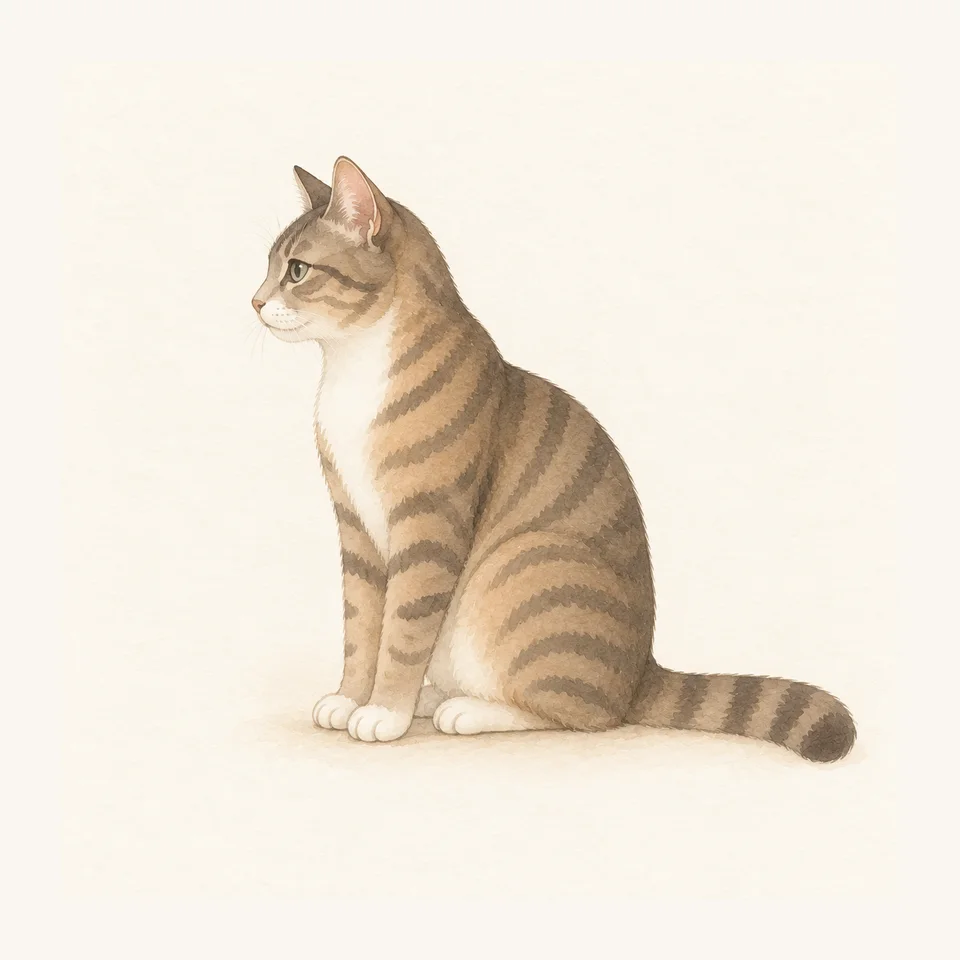
ESTJThe Hallway Patrol

Joins in · Likes the familiar · Keeps some space · Regular hours

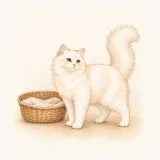
In the morning it makes a round of the house to see what everyone is doing. It likes being near people but has its own seat and would rather not be held. It wants the old toy, and if dinner is late it comes to tell you.

Read the type guide · ESTJ
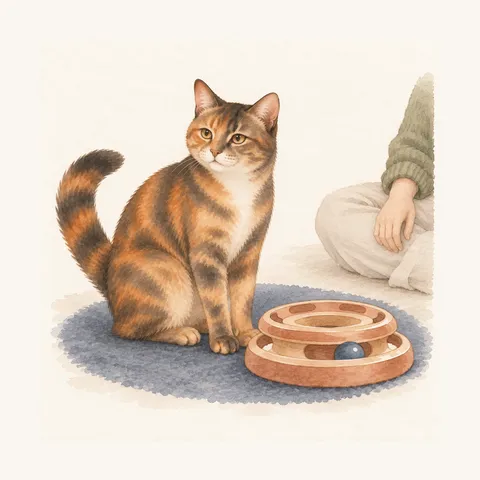
ISTJThe Same-Spot Regular

Prefers quiet · Likes the familiar · Keeps some space · Regular hours

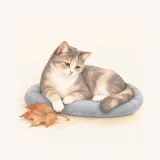
It naps on the same level of the cat tree and keeps choosing the same old toy. It comes out at about the same times each day, and when it has had enough company it goes back to a quiet spot on its own. It does not need someone beside it all the time.

Read the type guide · ISTJ

Four dimensions, side by side

  • Social style

    Different
    ESTJ
    Joins in
    ISTJ
    Prefers quiet
  • New experiences

    Same
    ESTJ
    Likes the familiar
    ISTJ
    Likes the familiar
  • Closeness

    Same
    ESTJ
    Keeps some space
    ISTJ
    Keeps some space
  • Daily rhythm

    Same
    ESTJ
    Regular hours
    ISTJ
    Regular hours

Where their days may overlap

On these dimensions the two type descriptions lean the same way. Similar habits can mean easy company, and also wanting the same spot at the same time.

New experiences

The Hallway Patrol · Waiting at the usual play spot
ESTJ · Likes the familiar Waiting at the usual play spot

It sits by the ball track it has always used and waits for you to start the usual round.

The Same-Spot Regular · The same old favorite toy
ISTJ · Likes the familiar The same old favorite toy

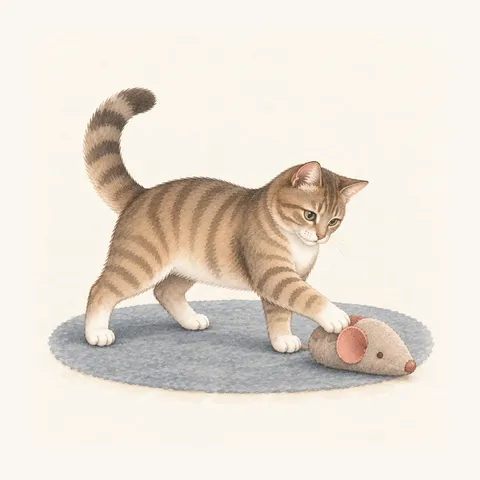
It walks past the newer toys to bat the worn cloth mouse on its usual mat.

A new cat, new furniture or a new smell is a big change for either of them. Change one thing at a time, and keep each cat’s own bed, blanket and favorite toy where they have always been.

Closeness

The Hallway Patrol · Together, on separate seats
ESTJ · Keeps some space Together, on separate seats

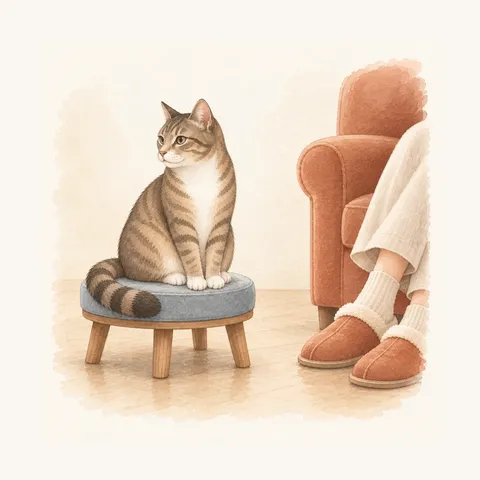
It takes the stool next to your chair, facing the same way as you, without leaning in.

The Same-Spot Regular · Nearby, on its own seat
ISTJ · Keeps some space Nearby, on its own seat

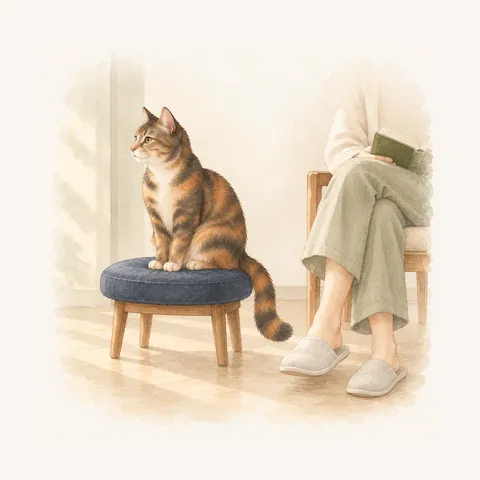
It keeps you company from its own stool beside your armchair, with a clear gap between you.

Each may want a seat of its own instead of a shared one. Separate perches within sight of each other let them be in the same room without touching.

Daily rhythm

The Hallway Patrol · Its spot at the end of the hallway
ESTJ · Regular hours Its spot at the end of the hallway

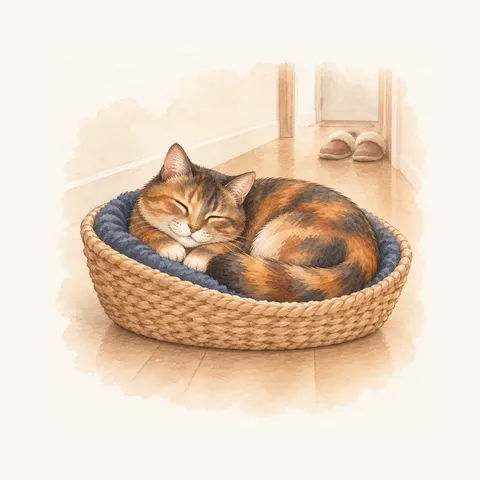
At night it is in the basket at the end of the hallway, right on time.

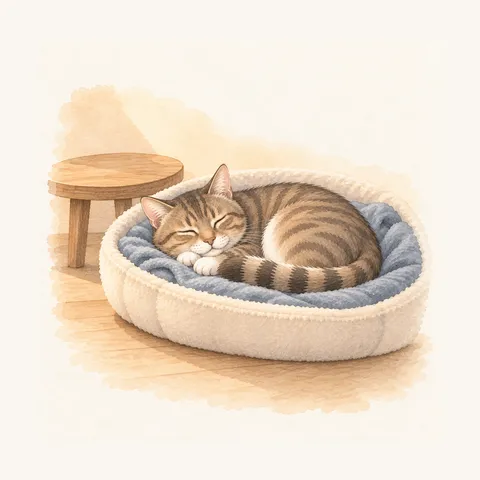
The Same-Spot Regular · The same bed every night
ISTJ · Regular hours The same bed every night

Evening means the same bed, the same blanket and nearly the same hour.

Meals, play and naps may fall at the same times for both. Feed them at set times in separate places, so a shared routine does not turn into a contest over one bowl.

Where each may want its own space

On these dimensions the descriptions lean in opposite directions. A difference is not a problem; it shows where each cat may need a choice of its own.

Social style

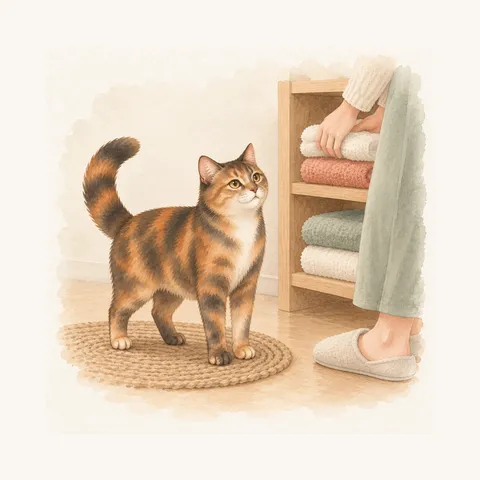
The Hallway Patrol · Checking on the household
ESTJ · Joins in Checking on the household

You start tidying the shelf and it comes to stand beside you, checking where everything goes.

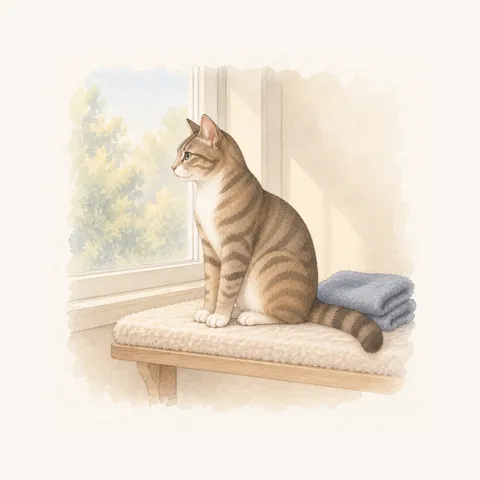
The Same-Spot Regular · The usual window perch
ISTJ · Prefers quiet The usual window perch

Mornings find it on the same window seat, by itself, looking out.

Their days may cross only now and then, and that is fine. Keep a resting place the quieter cat can reach without passing through the busy part of the home, and let the more social one come to you for company.

Introducing two cats

These steps are the same for any two cats, whatever their types. Go at the pace of the less comfortable cat.

  1. Give the newcomer a separate room with its own food, water, litter, hiding place and bed.
  2. When both cats are relaxed, swap bedding or other items that carry their scent.
  3. Let them see each other briefly through a secure barrier, then move on to short, supervised meetings.
  4. If either cat tenses up, go back a step and give them time apart.
Read the step-by-step introduction guide

More pairings

This compares type descriptions for fun. How two cats actually get along depends on each cat and their home. How it works