Indoor cat enrichment guide: turning everyday rooms into a rich territory
Life together 4 min read Updated
In this article
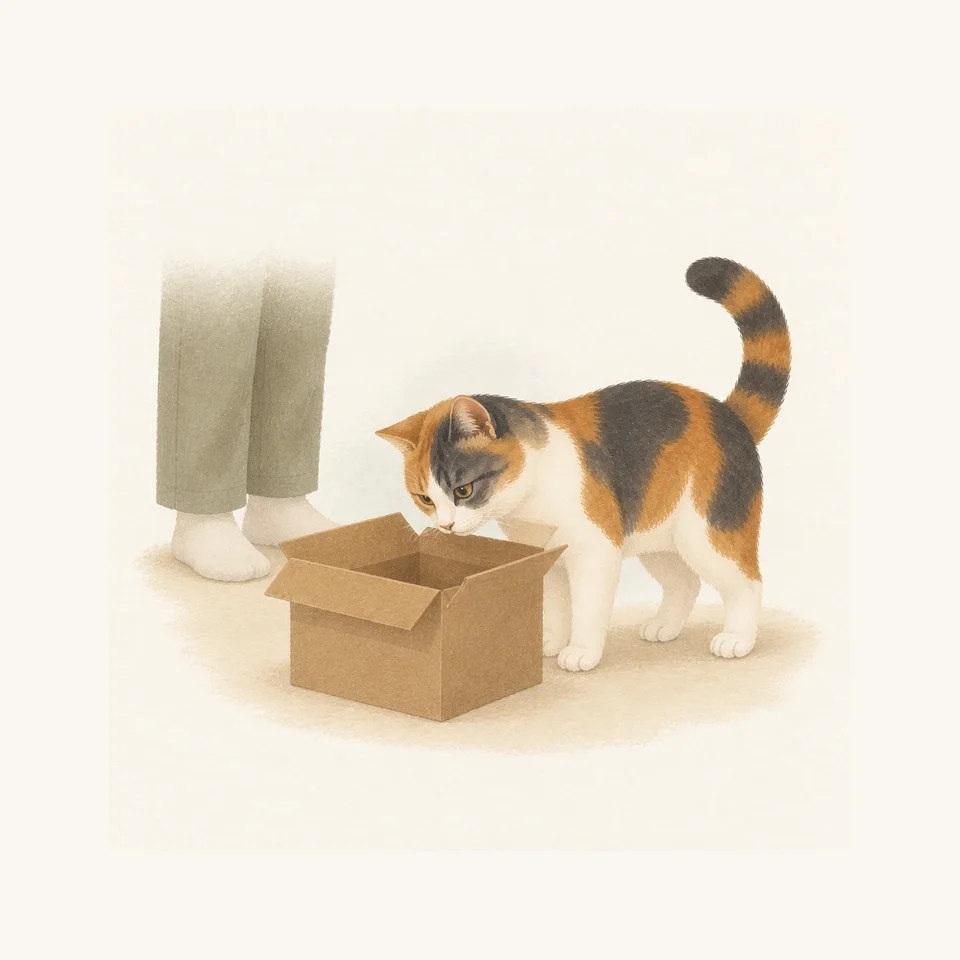
Living indoors shields cats from traffic, territorial fights, infectious disease, and harsh weather, helping many live long, steady lives. Still, an apartment or house can feel static when every day looks the same from floor level. Thoughtful enrichment does not mean turning your living room into a playground—it simply arranges everyday rooms so your cat has real choices to climb, watch, scratch, forage, chase, and rest undisturbed.
The five environmental pillars in everyday rooms
The AAFP and ISFM Feline Environmental Needs Guidelines describe five core pillars of a healthy feline home. Mapping them to ordinary rooms shows what is already working and where small gaps remain:
- A safe place: At least one quiet, private spot—a high perch, cardboard box, or sheltered bed—where nobody lifts your cat out, trims nails, or interrupts rest.
- Multiple separated resources: Spread food, water, litter boxes, scratchers, play spots, and beds across separate areas instead of clustering them in one corner.
- Play and predatory outlets: House cats still carry the instinct to stalk, pounce, grab, and scratch. Safe outlets relieve boredom and reduce ankle-swatting.
- Predictable human interaction: Keep routines steady, let your cat initiate contact, and pause petting before ears flatten or tails flick sharply.
- Respect for scent: Cats mark safety with subtle facial pheromones on furniture edges. Avoid heavy air fresheners and avoid washing every blanket on the same day.
Room-by-room enrichment ideas
You do not need every item in every room. Start by adding two or three upgrades where your cat already spends time.
| Enrichment focus | Practical everyday setup | Why it matters indoors |
|---|---|---|
| Vertical space & window views | Sturdy cat trees, cleared shelves, or window perches paired with secure, latched window screens. | Expands territory without extra floor space, offers high vantage security, and turns birds and leaves into calm stimulation. |
| Scratching posts (vertical & horizontal) | Tall, wobble-free sisal posts near beds and doorways, plus flat corrugated cardboard or carpet pads. | Supports full-body shoulder stretching, sheds old claw sheaths, and keeps scent marking off your sofa. |
| Foraging & food puzzles | Puzzle feeders, snuffle mats, egg-carton games, or splitting part of daily dry kibble across small bowls. | Slows fast eaters and turns a thirty-second meal into engaging mental work. |
| Interactive wand play | Feather or fabric wands moved like real prey—darting along baseboards, pausing behind chair legs, and fleeing. | Directs hunting focus toward toys rather than hands, ankles, or cords. |
| Quiet hideaways & scent spots | Open cardboard boxes, felt caves, or a quiet closet shelf lined with a familiar blanket. | Gives your cat control over social distance during guests, noisy deliveries, or afternoon naps. |
Using the stalk–chase–catch–eat–rest rhythm
How you play matters more than duration. Instead of rare marathon sessions, try short five-to-ten-minute wand sessions once or twice daily—ideally around dawn, dusk, or right before a meal.
Move the lure like real prey: pause while your cat crouches and stares, slip behind a cushion, then skitter across the rug. Crucially, let your cat physically catch, grab, and “bite” the toy several times before winding down slowly. If you use a laser pointer, finish on a physical toy or treat so your cat does not end frustrated.
Serving a meal right after play closes the natural stalk–chase–catch–eat–rest cycle, leading into grooming and a calm nap—helpful for curbing midnight zoomies. Keep a small basket and rotate two or three toys weekly so novelty stays fresh. Once play ends, put string, yarn, ribbon, and wand toys securely away in a closed drawer to prevent dangerous swallowing.
Adapting enrichment for shy, multi-cat, or older cats
Shape enrichment around the individual cat in front of you:
- Shy or newly adopted cats: Start in a smaller, predictable base camp with two-exit hideaways, soft voices, and gentle ground-level wand play near cover until confidence grows.
- Multi-cat homes: Separate play zones and give high shelves two ways up and down so nobody gets cornered. If one bold cat hogs the wand, run brief solo sessions behind a closed door. Explore more group-living tips in our multi-cat compatibility guide.
- Older or stiff-jointed cats: Swap steep leaps for wide padded pet steps, ramps, or sturdy ottomans leading to beds and sills, add flat cardboard scratchers, and keep play low and gentle. Learn how aging affects joints in our cat skeleton overview and review everyday wellness habits in responsible care.
Keep in mind
More gadgets and costly towers do not automatically make a happier cat. Watch what your cat actually uses—a sunny chair and ten unhurried minutes with a wand often beat an untouched condo—and introduce new pieces gradually so routines stay calm. If a cat who once loved leaping or chasing feathers suddenly loses interest in play, hesitates before jumping, or hides far more than usual, treat it as a possible pain or medical cue and consult your veterinarian rather than assuming boredom or laziness. PurrJung offers educational ideas to support everyday observation, not veterinary diagnosis.
Sources & further reading
- AAFP / ISFM (2013) · Feline Environmental Needs GuidelinesSource in English
- Merck Veterinary Manual · Routine Health Care of CatsSource in English
- Cornell Feline Health Center · Is Your Cat Slowing Down?Source in English
Every article lists its sources. PurrJung types are for fun and are not a veterinary assessment.
How we write and check content