Cat litter box habits and sudden changes: what to check first
Life together 5 min read Updated
In this article
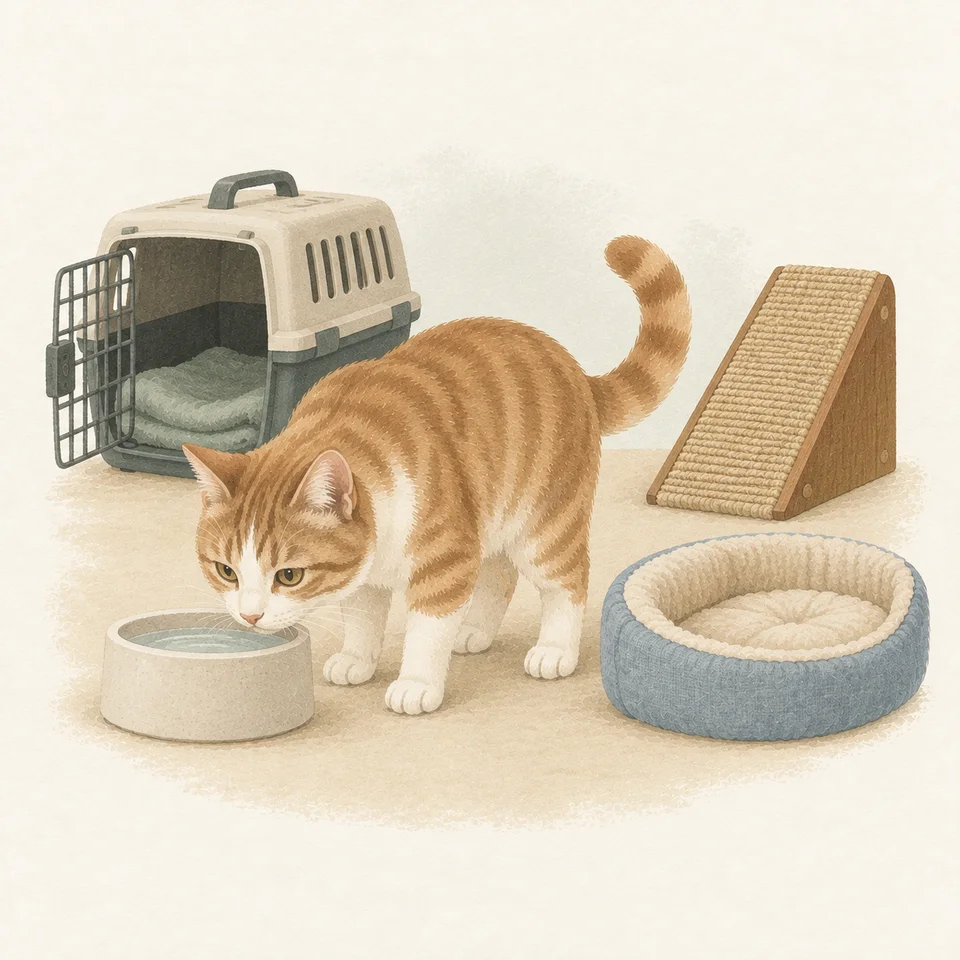
Finding urine on a bath mat or stool beside the tray is frustrating, and it is easy to wonder why a tidy cat suddenly changed course. One steadying truth helps right away: cats do not soil outside the litter box out of spite. A change in bathroom habits is almost always communication or a physical cue—urinary discomfort, stiff joints, household stress, or a litter station that no longer feels clean or safe enough to use.
Check health first: signs that cannot wait
Before switching litter brands or moving boxes, rule out a medical cause. Urinary inflammation, bladder crystals, infection, constipation, and joint pain often show up first as box avoidance because the cat links the tray itself with discomfort.
Some urinary signs are emergencies that cannot wait. Seek urgent veterinary care right away if your cat strains repeatedly with little or no urine, cries or growls in the box, passes pink or bloody urine, makes frequent fruitless trips, or licks the genital area alongside restlessness, lethargy, or vomiting. In male cats especially, a blocked urethra can become life-threatening rapidly, so even one day of unproductive straining warrants immediate evaluation.
Less urgent changes still merit a prompt visit: unusually large clumps paired with heavier drinking, dry pebble-like or soft stools, or an older cat hesitating at a high rim. To see how the urinary tract works, browse our anatomy guides to the cat bladder and cat kidneys.
Everyday baseline: what to notice when scooping
Daily scooping is a low-stress health check. Once you know your cat’s normal baseline, subtle shifts stand out days earlier.
Watch four everyday details:
- Clump size and count: Most healthy adult cats urinate steadily a few times a day. Many marble-sized droplets can point to bladder irritation, while oversized, heavy clumps reflect higher urine output.
- Frequency: Notice back-to-back visits or noticeably longer gaps without urine or stool.
- Posture: A comfortable cat squats smoothly and leaves calmly. Hunched straining, standing half outside the tray, or bolting out can signal pain, cramped quarters, or sore paws.
- Digging and covering: Rituals vary by cat; watch for changes from your cat’s normal habit, such as frantic wall scratching or perching on the rim to avoid stepping on litter.
If something seems off, keep a brief three-to-five-day log noting dates, clump sizes, accidents, and household changes. Sharing concrete notes at the clinic helps your veterinarian far more than reconstructing the week from memory.
Setting up a cat-friendly litter station
When health checks come back clear, many issues improve once the setup fits feline instincts. Veterinary environmental guidelines favor clean, roomy, low-stress choices over one cramped tray in a noisy corner.
| Element | Cat-friendly setup | Common pitfall to avoid |
|---|---|---|
| Number of boxes | Provide one box per cat plus one extra, spread across separate spots. | Pushing two trays side by side; to a cat, touching boxes often count as one spot. |
| Box size & entry height | Use a wide tray about 1.5 times body length (nose to tail base), uncovered unless preferred, with a low entry for kittens or seniors. | Small trays or high-sided top-entry boxes that cramp posture or strain stiff joints. |
| Litter texture & depth | Most cats prefer fine-grained, unscented clumping litter kept about 5–7 cm (2–3 inches) deep. | Strong perfumes, scented liners, or abrupt brand swaps that overwhelm a sensitive nose. |
| Location & quiet sightlines | Choose a quiet, airy spot with clear sightlines and multiple exits, away from food and water bowls. | Placing boxes beside noisy washers, dryers, furnaces, or in dead-end closets. |
| Scooping & full wash schedule | Scoop at least once or twice daily, top up fresh litter, and empty and wash regularly with warm water and mild unscented soap. | Letting waste pile up, or scrubbing with bleach, pine, or citrus cleaners that leave sharp odors. |
Troubleshooting avoidance step by step
Once medical issues are checked, troubleshoot methodically rather than changing everything at once.
- Test one variable at a time. Leave the old box in place and set a second tray beside it with a single change—such as unscented fine clumping litter instead of pellets, or an open box beside a hooded one—so your cat can show a clear preference.
- Clean soiled spots with an enzymatic cleaner. Household sprays and ammonia-based cleaners leave scent cues that invite repeat accidents. Blot moisture and treat surfaces with a pet-safe enzymatic cleaner for the full label contact time.
- Check for multi-cat bottlenecks. Quiet tension often looks like a box problem: one cat lounging in a hallway or staring from a doorway can block another from reaching the tray. Placing boxes in separate rooms removes ambushes.
- Review household shifts. Guests, moved furniture, construction, schedule changes, or outdoor cats outside a window can unsettle routine-loving cats. Restoring steady feeding and play times helps ease tension. To see how hydration links to urine volume, explore our lesson on how feline kidneys work.
Keep in mind
Never scold, startle, or rub a cat’s nose in an accident. Punishment builds fear and pushes cats to hide when eliminating, raising stress and worsening urinary flare-ups. Stress and physical discomfort often overlap: a painful episode can leave lasting wariness of an old tray even after recovery, so a fresh, comfortable setup helps rebuild trust. PurrJung is an educational resource, not a veterinary diagnosis—partner with your veterinarian whenever litter habits shift suddenly or persist.
Sources & further reading
- Cornell Feline Health Center · Feline Lower Urinary Tract DiseaseSource in English
- Merck Veterinary Manual · The Urinary System of CatsSource in English
- AAFP / ISFM (2013) · Feline Environmental Needs GuidelinesSource in English
Every article lists its sources. PurrJung types are for fun and are not a veterinary assessment.
How we write and check content