Why Cats Purr and Knead: Comfort, Communication, and Subtle Clues
Everyday behavior 4 min read Updated
In this article
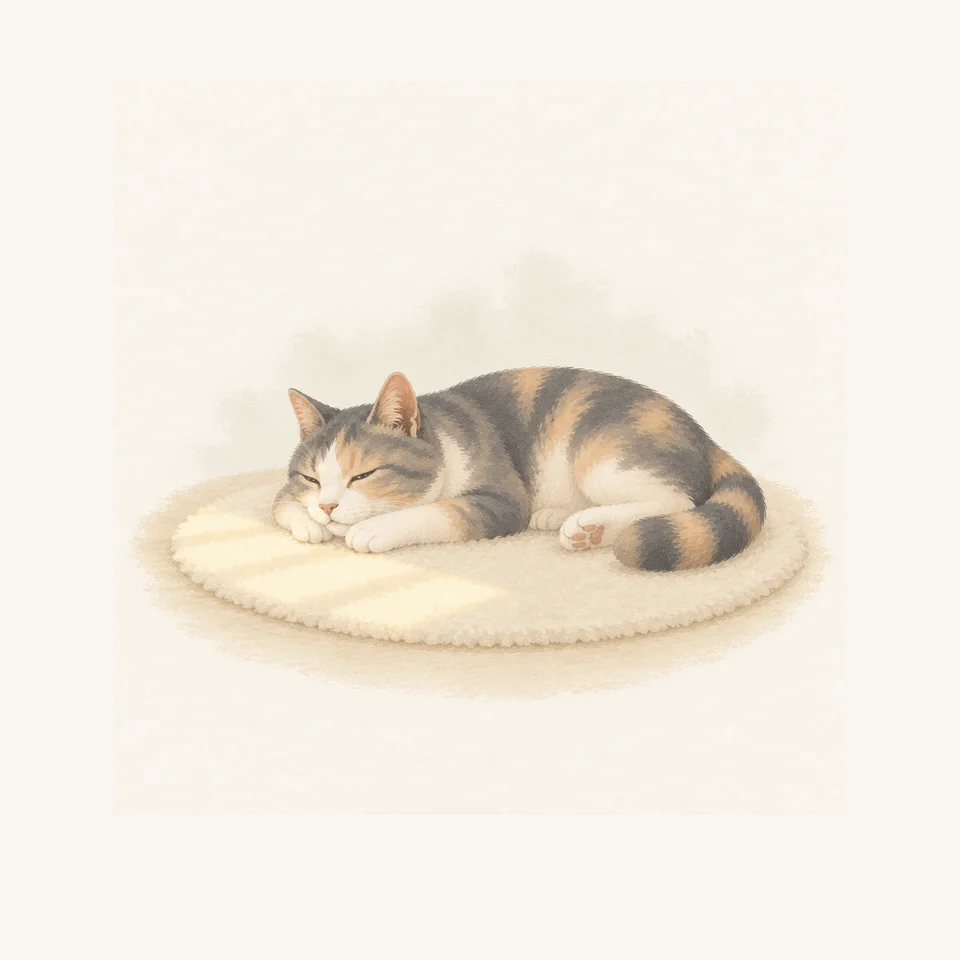
Few household sounds feel as immediately soothing as a cat settling onto a folded throw blanket at the end of the day. First comes the steady, low vibration radiating through the cushion; then two soft front paws begin pressing and releasing in a slow, alternating rhythm. Purring and kneading are two of the most recognizable feline behaviors, yet they carry more nuance than a simple label like “happy.” Looking closely at the context behind both habits helps you respond warmly—and notice sooner when something feels off.
Why Cats Purr in More Than One Mood
A cat’s purr is a continuous low rumble that continues smoothly across both inhalation and exhalation, and domestic cats use it in several distinct social and emotional situations:
- Relaxation and social bonding: Many cats purr during calm resting moments, gentle grooming, or unhurried petting with trusted people and feline companions.
- Urgent requests for food or attention: In a 2009 study published in Current Biology, McComb and colleagues compared domestic cats’ regular purrs with “solicitation purrs” produced when seeking food. They discovered that solicitation purrs embed a higher-frequency voiced cry inside the familiar low rumble, sharing acoustic qualities with a human infant’s cry. Listeners—including people who had never lived with cats—rated those solicitation purrs as noticeably more urgent and less pleasant than relaxed purrs.
- Self-soothing under stress or discomfort: Cats also purr in stressful environments, such as a carrier ride, an exam table, or while recovering from illness or injury. In these moments, purring appears to act as a calming, self-regulating signal rather than a sign of enjoyment.
Why Adult Cats Keep Kneading
Kneading—alternately pressing the front paws into a soft surface, often accompanied by flexing toes and half-closed eyes—begins in early kittenhood. Newborn kittens knead around their mother’s teats while nursing to help stimulate milk flow, pairing the rhythmic motion with warmth, nourishment, and safety.
Even long after weaning, many adult cats keep the habit for practical as well as emotional reasons. First, cats have scent glands located between their paw pads; kneading gently deposits familiar chemical markers onto a blanket, bed, or favorite lap, reinforcing a reassuring sense of territory as described in the AAFP and ISFM Feline Environmental Needs Guidelines. Second, pressing down on fabric mimics the natural behavior of patting grass or bedding into a snug, comfortable resting spot before curling up for sleep.
Calm Comfort vs. Subtle Discomfort
Because purring can appear in both peaceful and tense situations, context and full-body observation are essential. Compare these everyday cues side by side:
| Everyday Cue | Calm Comfort | Subtle Stress or Discomfort |
|---|---|---|
| Posture | Loose limbs, relaxed shoulders, curled or stretched comfortably in an open resting spot | Tightly hunched (“meatloaf” with elbows tucked high), stiff muscles, or pressing into a corner |
| Eyes & ears | Soft, half-closed eyes or slow blinks; ears upright and gently forward | Wide pupils, tense brow, squinted eyes from tension, or ears angled sideways and back |
| Breathing | Quiet, steady, effortless chest rise once purring stops | Rapid, shallow, noisy, or visibly effortful breathing; belly heaving |
| Appetite & routine | Eats, drinks, grooms, and uses the litter box on their normal daily rhythm | Skips meals, hides longer than usual, stops grooming, or withdraws from favorite activities |
| Context | Settling onto a familiar lap, sunbeam, or soft throw after play or a meal | Staying hidden under furniture, purring alone in an unusual spot, or purring after a fall or illness |
Practical Home Tips for Purring and Kneading
Living comfortably with a dedicated kneader—or a quiet cat—comes down to small, gentle adjustments:
- Keep a dedicated thick blanket nearby: Draping a folded fleece or quilted throw over your lap lets your cat knead freely while protecting your skin from accidental pokes.
- Trim just the sharp claw tips regularly: Calm, routine claw trims keep kneading comfortable for everyone. Never scold, push away harshly, or punish kneading, since it is an instinctive comfort behavior.
- Respect quiet purrers: Not every relaxed cat rumbles loudly. Some cats purr so softly you can only feel a faint vibration at the throat, while others express contentment mainly through relaxed sleep posture, gentle head rubs, and slow blinks.
When to Check with a Veterinarian
Pay close attention whenever purring shows up alongside physical or behavioral changes that depart from your cat’s normal routine. Warning signs include persistent hiding, labored or noisy breathing, open-mouth breathing at rest, reduced appetite or water intake, flinching or guarding a specific part of the body, or sudden lethargy.
If you are ever unsure whether a rumble reflects comfort or quiet distress, trust the broader picture and consult your veterinarian promptly for a thorough physical exam. To learn more about respiratory and cardiovascular cues worth monitoring at home, explore our guides to feline lung health, feline heart health, and the broader cat health hub.
Sources & further reading
- McComb et al. (2009) · Current Biology · The cry embedded within the purrSource in English
- AAFP / ISFM (2013) · Feline Environmental Needs GuidelinesSource in English
- Merck Veterinary Manual · Introduction to Lung and Airway Disorders of CatsSource in English
Every article lists its sources. PurrJung types are for fun and are not a veterinary assessment.
How we write and check content