Cat carrier and vet visit stress: calmer travel, exams, and coming home
Life together 7 min read Updated
In this article
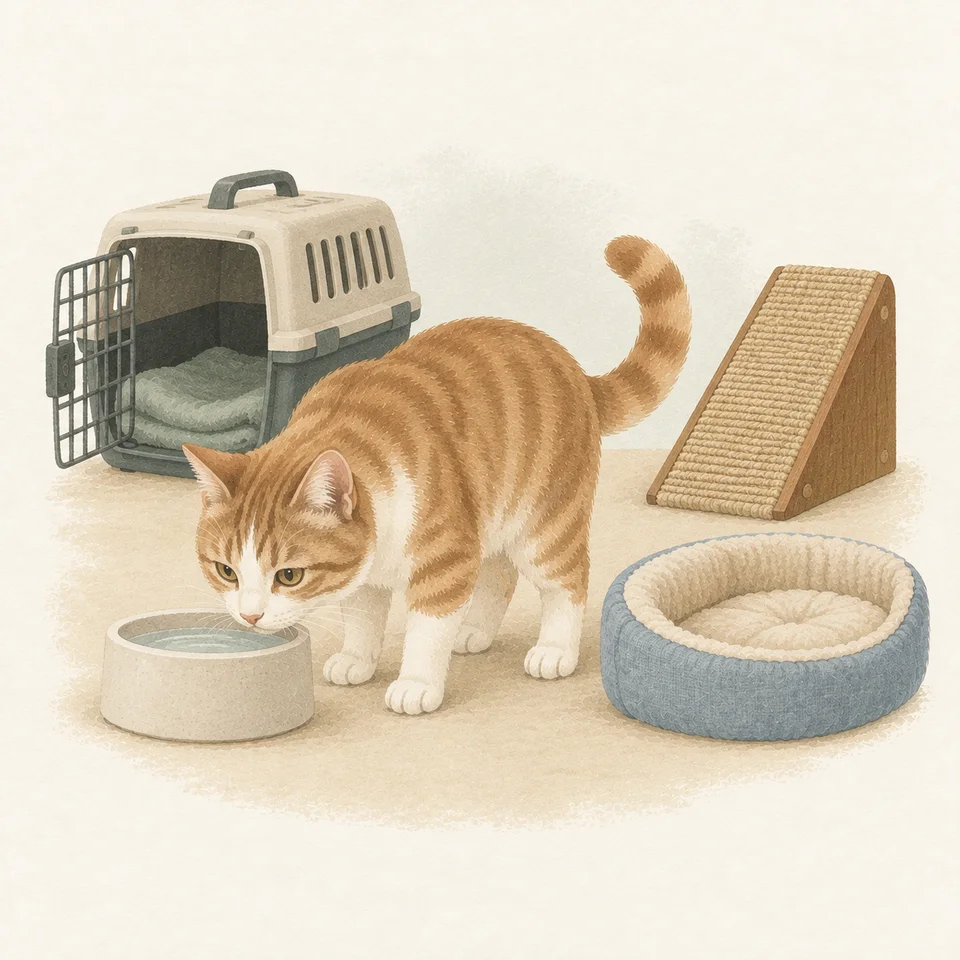
Even the most affectionate, easygoing house cat can vanish beneath the bed the second a carrier comes out of the closet. Watching a beloved companion flatten their ears, brace every paw against the doorway, or cry all the way down the road leaves many guardians feeling guilty and exhausted. Yet vet-day panic is never stubbornness or grudge-holding—it is a natural survival response to losing territory, familiar scent, and control all at once. With patient everyday carrier habits and thoughtful trip planning, going to the clinic can feel far safer, quieter, and more predictable for both of you.
Why vet visits feel overwhelming to cats
Domestic cats rely heavily on a stable territory mapped with their own facial and paw scents, reliable hiding perches, and predictable daily routines. When an appointment morning arrives out of the blue, almost every pillar of feline security disappears within minutes. The AAFP and ISFM Cat Friendly Veterinary Interaction Guidelines highlight that clinic fear rarely begins on the exam table; it starts at home the moment an unfamiliar plastic box appears, followed by sudden pursuit, engine vibration, barking dogs, disinfectant odors, and close handling by strangers.
Stress in cats is also cumulative. Behavioral specialists often describe this as trigger stacking: a frantic chase through the hallway, a bumpy ride in an uncovered carrier, and a noisy waiting room pile one burst of adrenaline onto the next. By the time the exam room door opens, a cat who looks “grumpy” or freezes like a statue is usually flooded with self-protective fear rather than acting out. Learning to recognize early tension signals—dilated pupils, tucked whiskers, low tail twitches, or sudden stillness—in our cat body language guide helps you slow the pace before overwhelm peaks. Building gentler travel habits early also pays lifelong rewards, making routine checkups far easier to maintain from playful kittenhood through the mature and senior milestones mapped in our cat age and life stages guide.
Navigating each stage of the vet trip
Treating a clinic appointment as a four-part journey—rather than a single rushed morning—lets you smooth out friction points before fear builds up. The table below outlines what typically unsettles cats at each stage and practical, cat-friendly adjustments you can use right away.
| Stage of the vet trip | What unsettles most cats | Practical, low-stress actions |
|---|---|---|
| Weeks before the visit (everyday home routine) | The carrier only appears on scary days, smelling of storage dust or past clinic trips, instantly predicting ambush and confinement. | Leave a clean, open, hard-sided carrier out daily in a sunny or quiet room lined with a familiar blanket; toss occasional treats inside so entering stays voluntary and ordinary. |
| Leaving home and the car ride | Being chased or shoved in headfirst, a swinging carry handle, swaying motion, flashing roadside views, and loud road or radio noise. | Support the carrier steadily from underneath with both hands, drape a breathable towel carrying home scents over the top and sides, secure it level on the footwell or belted onto a seat, and keep the cabin calm and quiet. |
| Waiting room and exam table | Barking dogs, unfamiliar pet smells, cold slick tables, direct staring, and being tipped or pulled forcefully out through a small front gate. | Keep the covered carrier elevated on a bench, chair, or your lap—never on the floor facing other animals—request a feline-only waiting area or wait briefly in the car, and let the vet lift off the top half so your cat stays nestled in the familiar base. |
| Returning home to other cats | Antiseptic cleaners and stress odors temporarily mask the household’s shared group scent, sparking hissing, puffing, or chasing from housemates (non-recognition aggression). | Let the returning cat decompress first in a quiet separate room with water, litter, and familiar bedding; rub a soft cloth gently across resident cats’ cheeks and then onto the traveler to rebuild shared scent, and if tension lingers, slow down with steps from how to introduce two cats. |
Carrier choice and gentle home desensitization
Reducing clinic stress starts weeks ahead of any appointment, right in your living room. A few deliberate design and routine choices transform the carrier from a dreaded trap into an everyday den:
- Choose a sturdy, top-opening hard-sided carrier: Rigid plastic carriers whose entire top half unlatches cleanly from the bottom tray—alongside a wide front door—are strongly favored in cat-friendly care. A solid floor gives steady traction during travel, protects your cat from bumps, and allows the veterinary team to remove the lid and examine a shy cat calmly inside the bottom half without dragging them out.
- Keep the carrier out as ordinary furniture: Store the carrier right in your living room or bedroom with the door removed or latched securely open so it cannot swing shut unexpectedly. When a carrier sits quietly beside a sofa week after week, it loses its power as an alarm bell.
- Build a familiar scent cushion: Line the bottom with a non-slip mat topped by a soft blanket, fleece throw, or worn cotton shirt carrying your cat’s everyday sleeping scent. Packing an extra clean familiar towel in your bag gives you a backup in case of motion accidents. Some guardians also lightly mist a synthetic feline facial pheromone spray onto the bedding about 15 minutes before departure—never directly onto the cat—for subtle scent comfort.
- Encourage voluntary entry in tiny steps: Drop a favorite treat, scatter a few pieces of kibble, or trail a gentle wand toy near the open doorway so your cat explores at their own speed. Once they nap or snack inside comfortably, practice gently closing the latch for five calm seconds, slipping a reward through the grate, and opening it right away before restlessness sets in.
- Rehearse the towel drape and steady lift: Before appointment week, practice draping a breathable covering towel over the carrier, lifting the box smoothly from underneath with both arms for a few steps around the room, and setting it softly back down with praise or a treat. If car motion is the main hurdle, occasional brief two-minute sits in a parked car—followed by returning straight inside—help unlink vehicles from automatic panic.
Partnering with your veterinarian for calmer exams
Thoughtful preparation at home works even better when paired with open communication with your veterinary team:
- Bring concise home notes and short smartphone videos: Adrenaline in a clinic room frequently hides subtle limping, quiet breathing changes, hesitant chewing, or evening restlessness. Jot down a brief log of appetite, thirst, litter box patterns, sleep, and mood shifts, and record 15-second home clips of any unusual movement or sound. Reviewing what everyday changes matter most in our cat health signals guide makes it easier to share crisp, helpful context during a short visit.
- Look for Cat Friendly practices and quieter hours: Clinics following AAFP and ISFM Cat Friendly standards often provide dedicated feline waiting zones, elevated carrier shelves, soft fleece table mats, gentle towel wraps, and unhurried exam rooms. Booking an early-morning or mid-afternoon slot also helps bypass the busiest waiting-room rush.
- Ask early about extra support for highly anxious cats: If your cat routinely pants, drools heavily, soils the carrier, trembles uncontrollably, or strikes out in fear during exams, call your clinic a week or more before the visit. Your veterinarian can discuss individualized comfort adjustments or safe, vet-prescribed pre-visit options tailored to your cat’s age and health—never give human calming products, essential oils, or leftover medications on your own.
- Weave checkups into a steady rhythm: Keeping routine wellness visits predictable, maintaining updated home notes, and supporting low-stress everyday habits—explored further in responsible care—prevents clinic visits from happening only during stressful emergencies.
Keep in mind
Carrier confidence grows through small, quiet wins: a curious sniff at the doorway, an afternoon nap on the familiar blanket, or a cat who shakes off a checkup and asks for dinner twenty minutes after coming home. Avoid scruffing, shouting, or chasing a frightened cat around the room, and never delay urgent veterinary attention just because carrier training is still underway—during a true urgency, gently wrapping your cat in a familiar towel and lowering them calmly through the open top of the carrier is far kinder than forcing them headfirst. Every cat adjusts along their own timeline; PurrJung provides educational field notes to support calm everyday observation, not veterinary diagnosis or medical treatment.
Sources & further reading
- AAFP / ISFM (2022) · Cat Friendly Veterinary Interaction GuidelinesSource in English
- International Cat Care · Taking your cat to the vetSource in English
- Cornell Feline Health Center · Reducing Stress for Your CatSource in English
Every article lists its sources. PurrJung types are for fun and are not a veterinary assessment.
How we write and check content