Senior cat behavior and care changes: reading subtle aging cues at home
Life together 7 min read Updated
In this article
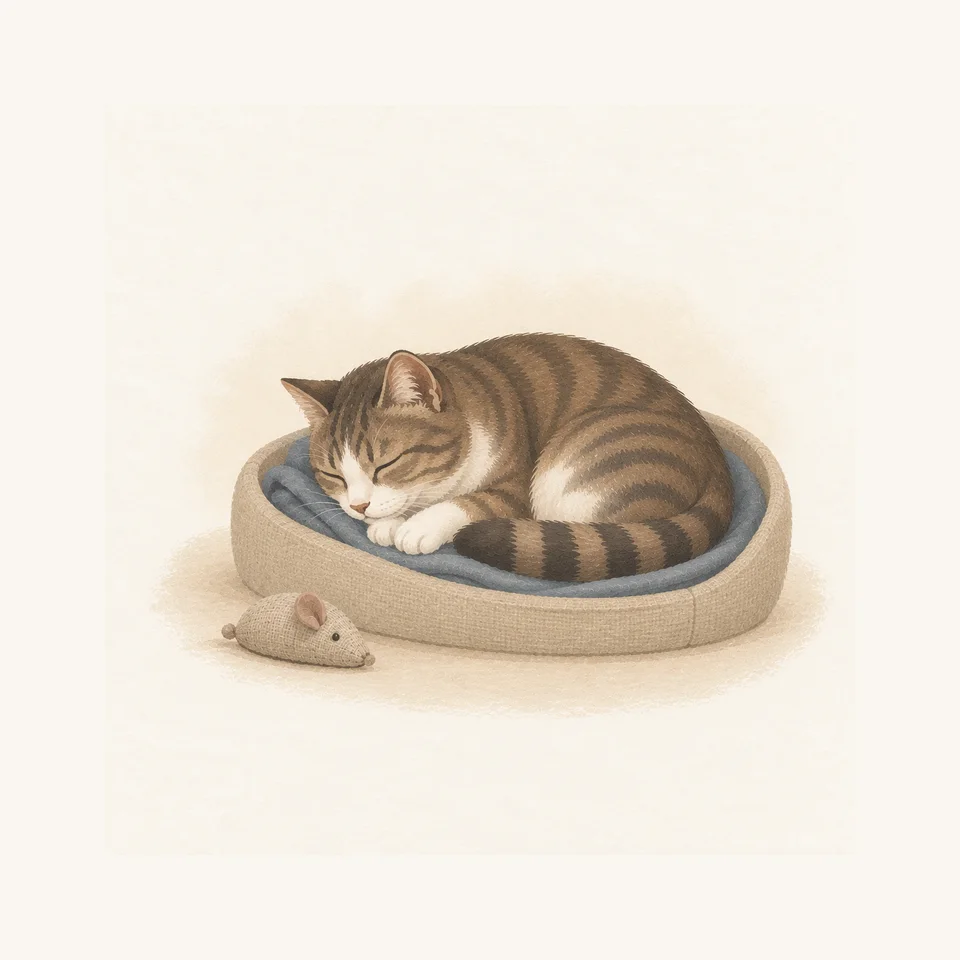
Living alongside an aging cat brings a quieter, deeply familiar rhythm. Years of shared routines mean you already know how your cat greets you at the door, claims a sunny cushion, or announces breakfast. Because those daily patterns run so smoothly, early age-related changes often arrive in whispers rather than sudden alarms. Paying warm, steady attention to small shifts in movement, grooming, thirst, and sleep helps you adapt your home gently and support comfort well into your cat’s later years.
Mature vs. senior: why subtle shifts are rarely “just getting old”
The AAFP Feline Senior Care Guidelines divide later feline life into two practical stages: mature adult from 7 to 10 years, and senior from 10 years and older (with many indoor cats living well into their mid-to-late teens). Even when a seven- or nine-year-old cat still looks sleek and playful, internal physiology begins shifting slowly behind the scenes.
Aging itself is not a disease, yet it increases the likelihood of manageable conditions such as joint stiffness, dental soreness, kidney changes, thyroid shifts, or elevated blood pressure. Cats evolved as both solitary predators and small prey, so they instinctively mask discomfort rather than crying out. Instead of limping dramatically, a sore cat simply stops jumping onto the counter, sleeps in a lower spot, or backs away from brushing over the hips. Treating gradual behavior changes as possible comfort or medical cues—rather than writing them off as “just slowing down”—gives you and your veterinarian a meaningful head start.
Reading everyday senior signals at home
A single quiet afternoon rarely tells the whole story, whereas a pattern unfolding over days or weeks carries valuable information. The table below pairs common everyday changes with what they may point toward, alongside gentle home adjustments and topics worth raising at the clinic.
| Everyday senior signal | What it may point to | Gentle home adjustments & vet discussion cues |
|---|---|---|
| Hesitating before jumps (pausing at the sofa, missing a ledge, climbing stairs slowly, or choosing floor beds) | Joint stiffness, osteoarthritis, gradual muscle loss over the hind legs, or fading depth perception. | Add wide padded steps or ramps to favorite perches, trim nails for traction, and film a short walking or stair clip for your vet; explore joint aging in our cat skeleton overview. |
| Matted fur over the lower back (greasy clumps near the spine or tail base, flaky skin, or thick overgrown claws) | Reduced spinal flexibility making twisting painful, dental soreness discouraging grooming, or systemic illness lowering energy. | Offer short, gentle brushing sessions with a soft brush, check dewclaws and paw pads for curling nails, and ask your vet to assess spine comfort and coat health. |
| Increased thirst or larger litter clumps (lingering at water bowls, seeking faucets, heavier urine clumps, or accidents near the box) | Changes in kidney concentrating ability, endocrine shifts such as hyperthyroidism or diabetes, or urinary discomfort. | Keep fresh water easily accessible, never restrict drinking, note how fast bowls empty and litter fills, and request urinalysis and bloodwork; learn more in our cat kidneys guide. |
| Chewing on one side or dropping kibble (tilting the head, approaching the bowl hungrily then backing off, pawing at the mouth, or stronger breath odor) | Periodontal inflammation, tooth resorption, fractured teeth, or tender gums. | Serve softer wet food or warm water-moistened kibble in wide shallow saucers, avoid forcing open a sore mouth, and book an oral check; see what vets inspect in our cat teeth overview. |
| Nighttime disorientation or vocalizing (yowling after dark, pacing hallways, staring at walls, startling easily, or flipped sleep cycles) | Cognitive dysfunction, dimming vision or hearing, elevated blood pressure, hyperthyroidism, or nighttime aches. | Place soft nightlights in hallways, keep furniture layouts consistent, serve a calm late-evening meal near a warm bed, and discuss blood pressure, thyroid, and cognitive care with your vet; review related patterns in common cat health conditions. |
Practical senior-friendly home adaptations
Thoughtful adjustments around the house reduce physical strain while keeping your cat’s cherished territory accessible and familiar:
- Low-entry litter boxes on every floor: Place spacious, open boxes with a low front lip—or modify a sturdy storage tote with a smooth, low cutout—on each level of your home so stiff joints never face stairs or high walls. Choose fine, soft, unscented litter that feels comfortable under tender paws, and scoop frequently so footing stays clean.
- Wide padded steps, ramps, and non-slip paths: Replace steep leaps onto beds, couches, and sunny window ledges with wide, wobble-free pet stairs, gentle ramps, or sturdy ottomans. Lay washable rugs or runner mats across slick hardwood or tile hallways so older back legs can push off without slipping.
- Raised food and water bowls: Elevating wide, shallow dishes slightly—roughly to elbow height—lets your cat eat and drink with a relaxed neck and shoulder posture instead of crouching deeply onto the floor.
- Extra water stations: Scatter additional wide ceramic, glass, or stainless-steel water bowls in quiet corners away from litter boxes, or test a whisper-quiet fountain if your cat favors running water. Many older cats also benefit from moisture-rich wet meals when aligned with veterinary advice.
- Warm, quiet, draft-free beds: As muscle mass and body fat thin with age, older cats lose heat faster. Set plush orthopedic beds or low-sided bolster nests in calm, draft-free sunny spots away from air vents and noisy doorways, or add a vet-safe self-warming thermal mat.
- Gentle brushing and steady layouts: Brief, unhurried grooming sessions along the lower back, flanks, and hind legs prevent uncomfortable mats while letting your hands notice subtle weight loss or new lumps early. Check nails every couple of weeks because older cats scratch less vigorously and thicker claws can curl toward the paw pads. Keeping bowls, boxes, and furniture in steady locations also reassures cats whose vision or hearing is gradually softening.
Partnering proactively with your veterinarian
In the mature and senior years, routine veterinary care shifts from putting out fires to spotting gentle trends early, when nutrition, home setup, and targeted support make the biggest difference.
- Biannual checkups: The AAFP Senior Care Guidelines recommend wellness exams every six months for healthy senior cats aged 10 and older (and at least once a year for mature cats aged 7 to 10, or sooner if changes appear). Because six months in a senior cat’s life is roughly comparable to two human years, twice-yearly visits catch gradual changes while they remain easier to manage.
- Baseline bloodwork, blood pressure, and urinalysis: Routine screening—typically including a complete blood count, chemistry panel, thyroid hormone (T4) check, blood pressure measurement, and urinalysis—establishes what is normal for your individual cat. Tracking trends across visits often reveals early kidney, thyroid, or blood pressure shifts long before outward symptoms grow obvious.
- Keep a brief home observation log: Many cats freeze up and hide stiffness on a clinic table, making your home notes genuinely valuable. Jot down weekly impressions of appetite, water intake, litter clump size, coat condition, sleep habits, and body feel along the ribs and spine. Bringing short 15-second smartphone videos of your cat climbing stairs, stepping into the litter box, jumping down, or chewing gives your veterinarian a clear window into daily life. To prepare thoughtful questions ahead of an appointment, browse our overview of common cat health conditions and daily wellness habits in responsible care.
Keep in mind
Every senior cat ages along their own timeline—many still adore warm window sunbeams, soft chin scratches, and slow ground-level feather play well into their late teens. Introduce home modifications gradually so familiar scents and routines remain reassuring, and never hesitate to contact your veterinarian promptly if you notice sudden appetite loss, hiding, strained breathing, abrupt disorientation, or rapid weight drop rather than waiting for the next scheduled checkup. PurrJung offers educational field notes to support everyday observation, not veterinary diagnosis.
Sources & further reading
- AAFP (2021) · Feline Senior Care GuidelinesSource in English
- Cornell Feline Health Center · Loving Care for Older CatsSource in English
- Cornell Feline Health Center · Is Your Cat Slowing Down?Source in English
Every article lists its sources. PurrJung types are for fun and are not a veterinary assessment.
How we write and check content