How to encourage your cat to drink more water: bowl setup, moisture habits, and thirst cues
Life together 8 min read Updated
In this article
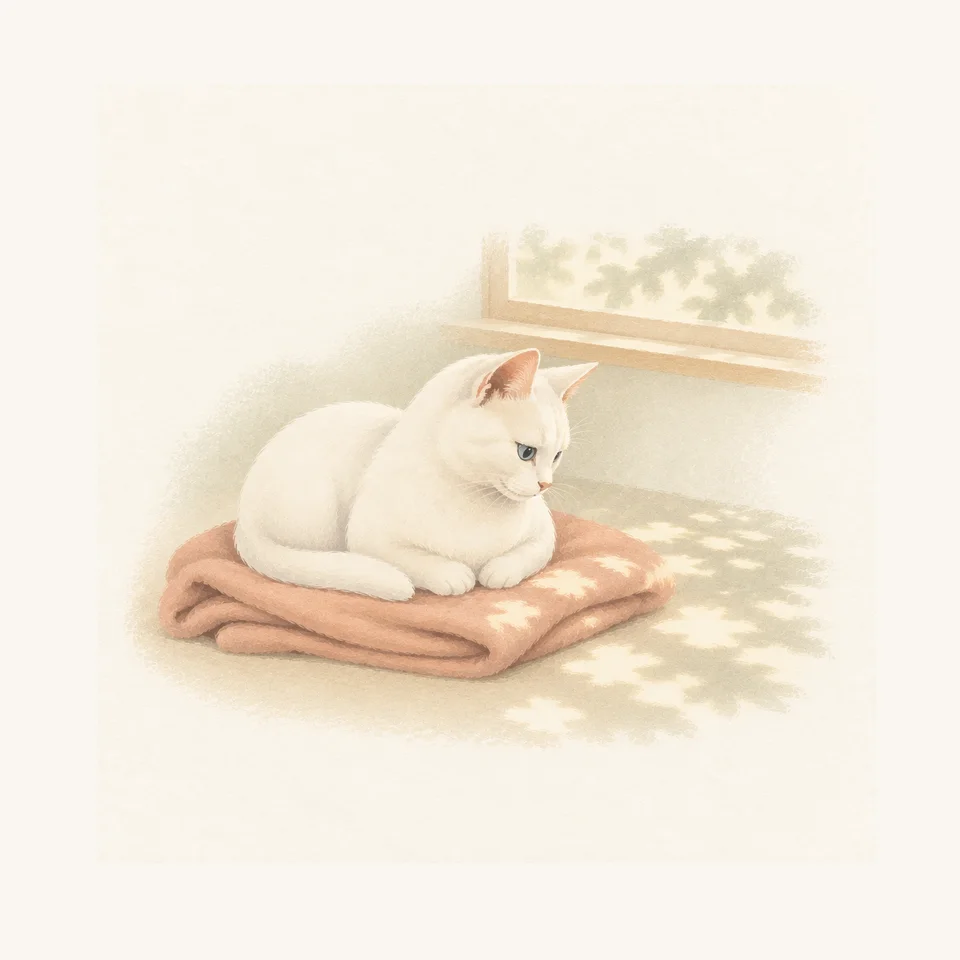
If you have ever set down a gleaming bowl of fresh water only to watch your cat sniff it once, walk away, and then beg for drips from the bathroom tap ten minutes later, you are in very familiar company. Many cat guardians worry that their companion barely touches the water dish. In most cases, a reluctant drinker is not being stubborn or fussy for the sake of it—they are following deep-seated feline instincts about safety, scent, and where clean water belongs in their territory.
Understanding how cats evolved to hydrate turns daily water care from guesswork into a few gentle, high-impact adjustments around the house.
Why cats naturally have a low thirst drive
Domestic cats descend from the North African wildcat (Felis lybica), a desert-adapted hunter built to conserve water remarkably well. In the wild, a cat’s fresh prey is roughly 70% to 75% water, meaning wild felines meet the majority of their daily fluid needs simply by eating. Because their bodies evolved to rely on moisture-rich meals and produce highly concentrated urine, cats did not develop the strong, urgent thirst reflex that humans or dogs feel after exercise or warm weather.
Indoor life shifts that equation significantly. Standard dry kibble typically contains only about 8% to 10% moisture, whereas canned or pouch wet food usually provides 70% to 80% moisture. A cat eating primarily dry food must drink far more liquid water from a bowl to reach the same total daily hydration as a cat eating wet meals—yet their biology does not always nudge them to make up the entire gap on their own.
Consistent, gentle hydration supports comfort across the whole urinary tract. Well-diluted urine helps keep the environment inside the cat bladder calmer and less irritating, while steady fluid balance supports the everyday filtering work of the cat kidneys across every stage of life. As a rough everyday benchmark cited by feline nutrition educators, healthy adult cats often take in around 45 to 60 milliliters of total water per kilogram of body weight per day from food and drinking combined, though individual needs vary with diet, activity, room temperature, and life stage.
Optimizing your water setup: what actually matters to cats
Guidance from the AAFP / ISFM Feline Environmental Needs Guidelines and International Cat Care highlights that how and where water is presented often matters just as much as the water itself. Cats evaluate a drinking spot with their nose, whiskers, and sense of territorial safety before taking a single lap.
| Water setup factor | Why cats care | Easy adjustment at home |
|---|---|---|
| Distance from food and litter | Wild cats avoid water near a kill site (which can taint water) or near toileting areas. A double diner bowl puts food aromas right over the water surface. | Separate food and water by at least a few feet—ideally in different spots or rooms—and keep all water stations well away from litter boxes. |
| Bowl width, depth, and rim | Sensitive whiskers brush against narrow, deep sides, and cats dislike dipping their face into a dark well where they cannot watch the room. | Choose wide, shallow bowls (at least 15 cm across) filled close to the brim so your cat can drink comfortably without whiskers pressing the edge. |
| Bowl material and odor | Plastic scratches easily, traps bacterial biofilm, and absorbs dish soap or food smells that a cat’s sharp nose detects immediately. | Switch to ceramic, borosilicate glass, or food-grade stainless steel, and wash daily with hot water and a tiny amount of unscented soap, rinsing thoroughly. |
| Still vs. moving water | Some cats perceive stagnant water as stale or hard to see on a reflective surface, while others find noisy pumps startling. | Offer both a quiet, wide still bowl and—if your cat enjoys faucets—a whisper-quiet circulating fountain, keeping at least one traditional bowl available at all times. |
| Water freshness and flavor | Chlorine, mineral buildup, dust, or floating fur quickly make a dish unappealing. Temperature preferences also vary by individual. | Refresh still bowls once or twice daily. If tap water smells strongly of chlorine, try filtered water or let a pitcher sit in the fridge and warm slightly to room temperature. |
| Number of stations & visibility | Drinking leaves a cat head-down and vulnerable; in multi-cat homes, one cat can quietly block access to a single hallway dish. | Place multiple water stations in calm, low-traffic areas with a clear sightline to exits—follow the one per cat plus one rule across rooms and floors. |
Practical everyday ways to boost hydration at home
Small, predictable tweaks almost always outperform sudden overhauls. Rather than forcing change overnight, offer inviting choices and let your cat show you what they prefer:
- Lean on moisture-rich wet food when possible: Even replacing one dry meal a day with complete, balanced wet food—or adding a few wet-food meals into the weekly rotation—dramatically raises total water intake without requiring extra trips to the water bowl. Check feeding transitions gradually so sensitive stomachs adjust comfortably.
- Stir a splash of warm water into wet meals: Adding one or two teaspoons of warm water (not hot) to paté or chunks creates a savory gravy that gently releases aroma while sneaking in extra hydration. Start with a small splash so the texture stays appealing, then build up slowly if your cat laps it happily.
- Test different bowl heights and textures: Try placing a clear glass bowl, a matte ceramic dish, and a stainless-steel bowl in separate spots for a week to see which one empties fastest. For mature or stiff-jointed cats, slightly elevating a wide water bowl roughly to elbow height lets them drink without crouching deeply—a helpful adaptation also covered in our guide to senior cat behavior and care changes.
- Keep fountains sparkling clean: A water fountain only helps if it stays fresh. Take the pump apart weekly, scrub away slimy biofilm from the reservoir and impeller, and replace filters on schedule. If a fountain starts humming loudly or smells faintly musty, many cats quietly abandon it.
- Offer cat-safe hydration toppers sparingly: A spoonful of plain, unsalted water from cooking poached chicken or fish, or a commercial cat-specific hydration broth without onion, garlic, added salt, or heavy seasonings, can tempt a reluctant drinker on warm days. Always keep plain fresh water alongside any flavored option.
- Use the litter box as a calm hydration gauge: Because drinking happens in small, quiet sips throughout the day and night, your best everyday clue to hydration is often what you scoop. Consistent, well-formed urine clumps point to steady fluid turnover; noticing sudden shifts in clump size or frequency pairs naturally with the observation habits in our cat litter box habits and changes guide.
When thirst changes warrant a veterinary check
Encouraging healthy hydration at home is a wonderful daily habit, yet sudden shifts in how much your cat drinks—in either direction—deserve prompt veterinary attention rather than home troubleshooting alone.
- Sudden or persistent increased thirst (drinking much more than usual): If your cat suddenly camps beside the water bowl, finishes dishes noticeably faster, begs constantly at sinks, or leaves dramatically larger and heavier urine clumps in the litter box, schedule a veterinary checkup. Increased thirst and urination can be early signs of manageable conditions such as kidney changes, hyperthyroidism, diabetes mellitus, or urinary tract issues—especially as cats move into middle and later life stages (see our cat age and life stage guide for age-related wellness milestones). Never restrict water to reduce litter box volume before speaking with a veterinarian.
- Sudden drop in drinking or signs of dehydration: A healthy cat who switches from dry to wet food will naturally visit the water bowl less often because their food supplies more moisture. However, if your cat’s diet has not changed and they suddenly stop drinking, refuse food, seem lethargic, hide away, vomit repeatedly, or show sticky/dry gums, contact your clinic promptly.
- Urgent urinary red flags: Frequent trips to the litter box producing only tiny drops or no urine at all, crying out while attempting to urinate, blood-tinged urine, or constant licking of the genital area—especially in male cats—require immediate, same-day veterinary care, as a urinary blockage is a medical emergency.
- What to bring to the appointment: Before your visit, jot down a two- or three-day snapshot of what your cat eats (wet vs. dry ratios), roughly how many milliliters you refill daily, whether urine clumps have grown larger or smaller, and any changes in appetite or energy. Simple home notes help your veterinarian interpret bloodwork and urinalysis much more clearly.
Keep in mind
Every cat has their own quirky drinking style—some love dipping a paw into a wide glass bowl on a sunny hallway shelf, while others quietly sip from a ceramic dish tucked in a peaceful bedroom corner. Introduce one adjustment at a time, give your cat several calm days to explore each new station, and watch what feels effortless in your home routine. PurrJung offers practical, research-informed educational guidance to support everyday observation and care, not veterinary diagnosis.
Sources & further reading
- AAFP / ISFM · Feline Environmental Needs GuidelinesSource in English
- Cornell Feline Health Center · Feeding Your CatSource in English
- International Cat Care · How to encourage your cat to drinkSource in English
Every article lists its sources. PurrJung types are for fun and are not a veterinary assessment.
How we write and check content