Cat sleep patterns and nighttime activity: why 4 AM feels like morning
Everyday behavior 7 min read Updated
In this article
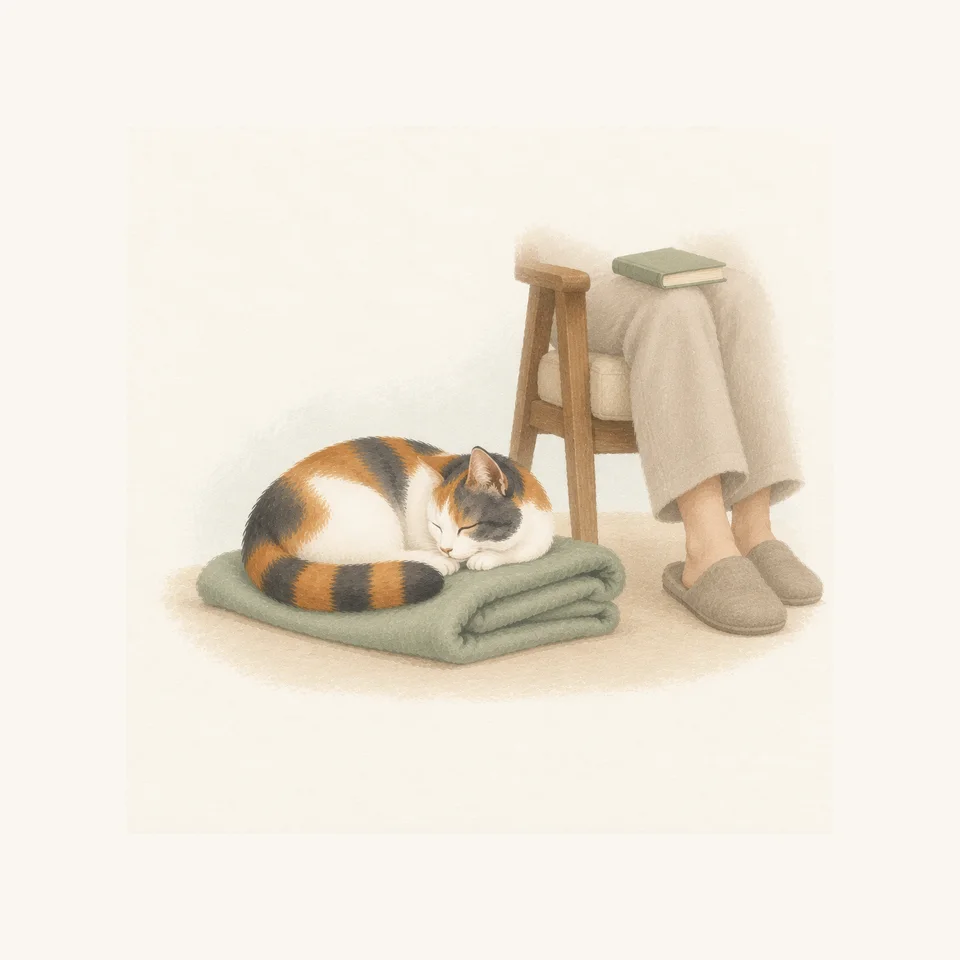
If your cat spent the entire afternoon curled in a sunlit patch on the sofa and then chose 4:15 AM to trot across your pillow, paw at the closet door, or sing down the hallway, it is easy to assume they are simply nocturnal—or deliberately testing your patience. Neither is quite true. Cats run on a sleep architecture built for brief bursts of alertness punctuated by frequent rest, and their internal clock leans toward the half-light of dawn and dusk rather than the dead of night. Understanding how that rhythm works lets you reshape your home’s schedule gently, without turning bedtime into a battle of wills.
How feline sleep and crepuscular rhythms actually work
Most healthy adult cats sleep 12 to 16 hours a day, while growing kittens and older seniors frequently rest 18 hours or more. Unlike humans, who consolidate sleep into one long overnight stretch, cats are polyphasic sleepers: they break rest into dozens of shorter naps lasting anywhere from fifteen minutes to two hours, woven across day and night.
Not every nap looks or functions the same. Watching your cat closely reveals two distinct stages:
- Light dozing (the classic catnap): Roughly three-quarters of feline sleep is light slow-wave rest. Your cat may sit tucked in a loaf or lie stretched out with eyelids half-closed, yet their ears still swivel toward footsteps, rustling bags, or birds outside. Their muscles stay subtly poised so they can spring awake in a heartbeat.
- Deep REM sleep: In shorter pockets of deep rest, your cat curls tightly into a ball or relaxes belly-up in a spot that feels completely secure. Breathing slows and deepens, muscle tone drops, and you may notice fluttering eyelids, twitching paws, quivering whiskers, or soft chirps—the unmistakable signs of rapid eye movement sleep.
Just as important is when your cat naturally feels sharp. Domestic cats are crepuscular, meaning their evolutionary peak activity aligns with twilight hours at dawn and dusk, when rodents and small birds are most active. Living indoors softens that instinct—many cats gradually mirror parts of their household’s routine—yet the underlying surge around sunrise and early evening often remains close to the surface, especially when daytime hours are quiet and unstimulating.
A 24-hour map of typical feline energy windows
Every cat has individual quirks shaped by age, personality, and household habits, yet most indoor routines loosely follow five recurring windows across the day and night:
| Time window | What your cat naturally seeks | Practical household adjustments |
|---|---|---|
| Pre-dawn (4:00–6:00 AM) | Peak crepuscular alertness, patrolling territory, checking windows, and looking for a first meal as daylight begins to shift. | Avoid jumping up to feed on demand; use a timed auto-feeder if hunger wakes them, and keep blackout curtains drawn if early birds or sunlight trigger the alarm. |
| Daytime naps (morning to afternoon) | Long stretches of light dozing in warm, elevated, or sheltered spots, interrupted by short grooming breaks, snacking, and window watching. | Provide quiet enrichment—a safe window perch with latched screens, a food puzzle, or rotated solo toys—so your cat stays gently engaged rather than sleeping out of sheer boredom. |
| Dusk (6:00–9:00 PM) | The second major crepuscular surge: stalking, pouncing, social check-ins, and occasional bursts of hallway sprinting. | Lean into this window with a focused 5–10 minute interactive wand session followed by dinner, channeling hunting energy before the household winds down. |
| Late evening (9:00–11:00 PM) | Winding down, grooming, seeking warm laps or familiar blankets, or one last quick burst of restless energy right as lights dim. | Run a brief, calm play session 30–45 minutes before bed and serve the final meal or snack afterward to cue digestion, grooming, and deep sleep. |
| Midnight to deep night (12:00–4:00 AM) | Mostly quiet resting interspersed with brief patrols, litter box visits, water breaks, and quiet sniffing around the house. | Leave water fresh, scoop the litter box before bed, keep hallway night-lights dim for older cats, and tuck away noisy or string-based toys that could invite unsupervised trouble. |
Shifting 3–5 AM wake-up calls kindly
Early-morning wake-up calls rarely respond to scolding, shutting a door abruptly without preparation, or trying to keep your cat awake all afternoon. Sleep-depriving a cat usually makes them overtired and cranky rather than deeply asleep at night. Instead, shift the cues around hunger, play, and attention over one to two steady weeks:
- Anchor bedtime with the stalk–chase–catch–eat–rest cycle. About half an hour before you go to sleep, offer a structured wand-toy session where your cat can crouch, chase, and physically catch the lure several times before you slow the pace. Immediately follow play with a full evening meal or substantial bedtime portion. A satisfied stomach after a mock hunt naturally triggers grooming and sleep—the same rhythm that helps calm late-night bursts explored in our cat zoomies guide.
- Decouple breakfast from your alarm clock—or your eyelids. If your cat learns that meowing at 4:30 AM makes you stumble to the kitchen and fill the bowl, they have discovered a remarkably effective vending machine. A timed automatic feeder set for early morning—or shifting the largest meal to right before bed—takes you out of the equation so your cat waits by the feeder rather than pawing your cheek.
- Stop accidentally reinforcing 4 AM requests. Cats repeat whatever earns a response, and even a sleepy “shhh,” tossing a toy, or getting up to shoo them counts as attention. Once you have checked that water, litter, and physical comfort are all taken care of before bed, stay calm and completely unresponsive during pre-dawn demands. Expect a brief extinction burst where meowing grows slightly louder for a few nights before fading as the old habit stops paying off.
- Upgrade daytime engagement gently. A cat who stares at an empty room for nine hours while you work arrives at midnight with a full battery. Adding vertical perches, scratching stations, and foraging puzzles—covered in our indoor cat enrichment guide—helps spread mental and physical effort across waking hours so night feels like genuine rest.
- Keep bedtime logistics predictable. Fresh water, a freshly scooped litter box, and an inviting warm bed near (or away from, if you prefer) your mattress prevent avoidable 3 AM interruptions. For broader everyday rhythm habits, see our daily cat care guide.
When sudden sleep changes or nighttime yowling merit a vet check
A young adult who has always greeted sunrise with a cheerful chirp is very different from a previously quiet cat who suddenly paces at 2 AM, cries loudly in the hallway, or sleeps far more heavily than usual. Treat any abrupt shift in sleep duration, nighttime vocalization, or restlessness as a medical clue worth discussing with your veterinarian, especially in middle-aged and senior cats:
- Hyperthyroidism: An overactive thyroid accelerates metabolism, often causing restlessness, urgent nighttime yowling, heightened appetite, weight loss, or an unkempt coat.
- Pain or osteoarthritis: Joint stiffness, dental discomfort, or abdominal pain can make it hard to settle into deep sleep. Some cats shift restlessly from bed to bed or cry out when jumping down in the dark.
- Hypertension (high blood pressure): Elevated blood pressure—often linked with kidney or thyroid disease—can cause disorientation, restlessness, or sudden vision changes that make quiet dark rooms feel alarming.
- Vision or hearing loss: Cats who are losing sight or hearing may startle more easily or vocalize loudly at night to locate their people in a silent, dark house. Simple dim night-lights and keeping furniture layouts steady can help alongside veterinary care.
- Cognitive changes in senior cats: Feline cognitive dysfunction syndrome (CDS) can gradually flip sleep-wake cycles, leading older cats to sleep heavily all day, wander aimlessly after midnight, stare at walls, or yowl as though lost.
- Sudden excessive lethargy or hiding: Sleeping noticeably more than normal, skipping favorite sunny spots, or withdrawing into closets can signal fever, infection, anemia, or quiet discomfort rather than ordinary aging.
Before your appointment, jot down for three or four days what time the activity starts, what the vocalization sounds like (a quick video on your phone helps enormously), and whether appetite, thirst, litter box habits, or jumping ease have changed.
Keep in mind
Reshaping a cat’s internal schedule takes patience and calm consistency—most households notice real improvement after 10 to 14 steady days once everyone in the home follows the same rules. Avoid yelling, spraying water, or punishing nighttime noise; stress elevates alertness and fractures trust without teaching your cat what to do instead. Remember too that PurrJung shares educational guidance to support thoughtful everyday observation, not veterinary diagnosis. Whenever sleep patterns or nighttime behavior shift suddenly or leave your cat seeming distressed, partnering with your veterinarian is always the kindest next step.
Sources & further reading
- AAFP / ISFM · Feline Environmental Needs GuidelinesSource in English
- Merck Veterinary Manual · Normal Social Behavior in CatsSource in English
- Cornell Feline Health Center · Is Your Cat Slowing Down?Source in English
Every article lists its sources. PurrJung types are for fun and are not a veterinary assessment.
How we write and check content