Skip to content

ESTP · ISFJ cat types The Drop-In Player and The Blanket Buddy

They differ on 3 of 4 dimensions.

ESTPThe Drop-In Player

Joins in · Likes the familiar · Keeps some space · Goes with the moment

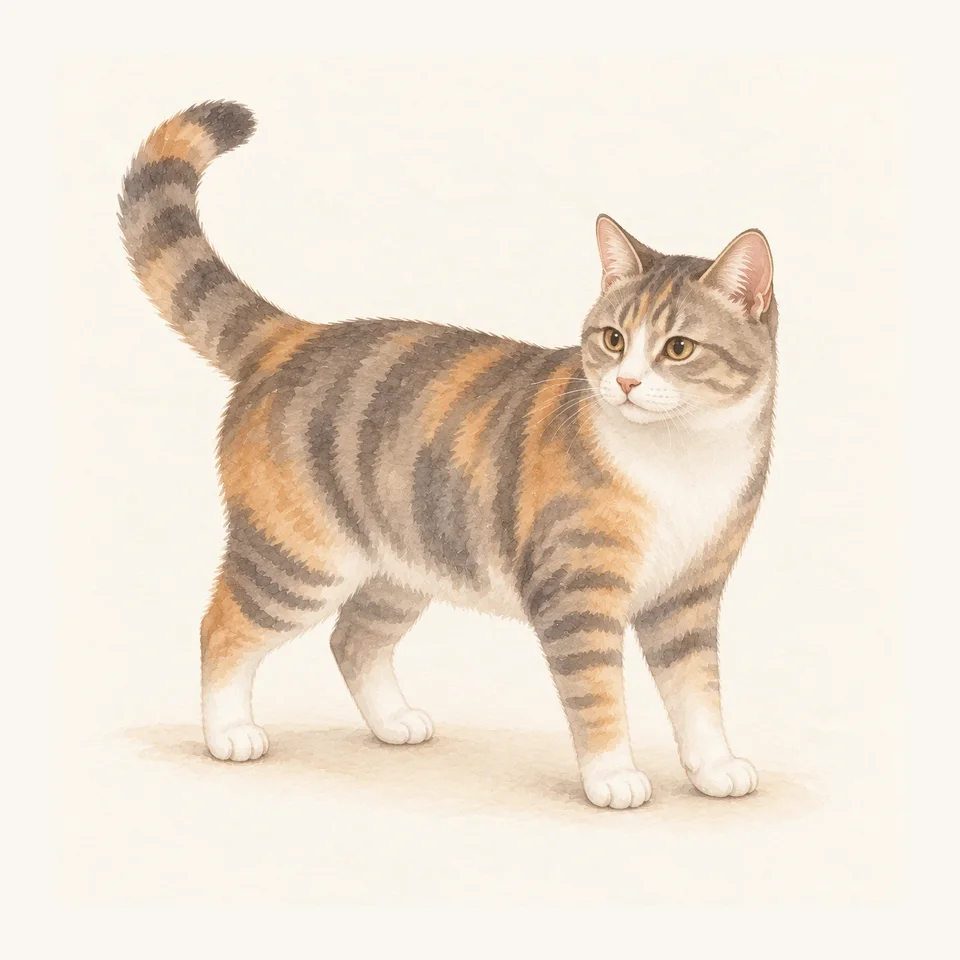
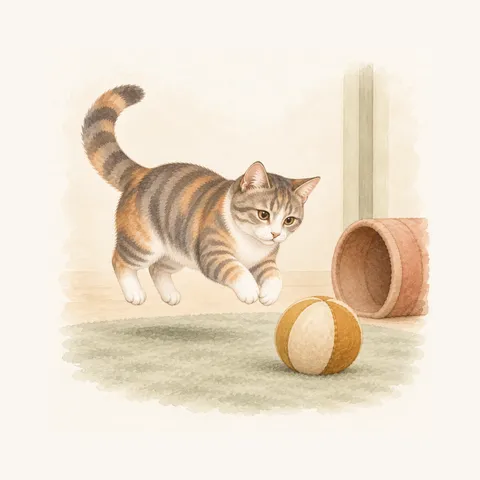
Any commotion at home brings it over to look. Wiggle its familiar old toy and it is playing at once; when it has had enough, it turns and leaves, flopping down somewhere nearby. It does not care much for being held, and its hours are hard to predict.

Read the type guide · ESTP
ISFJThe Blanket Buddy

Prefers quiet · Likes the familiar · Stays close · Regular hours

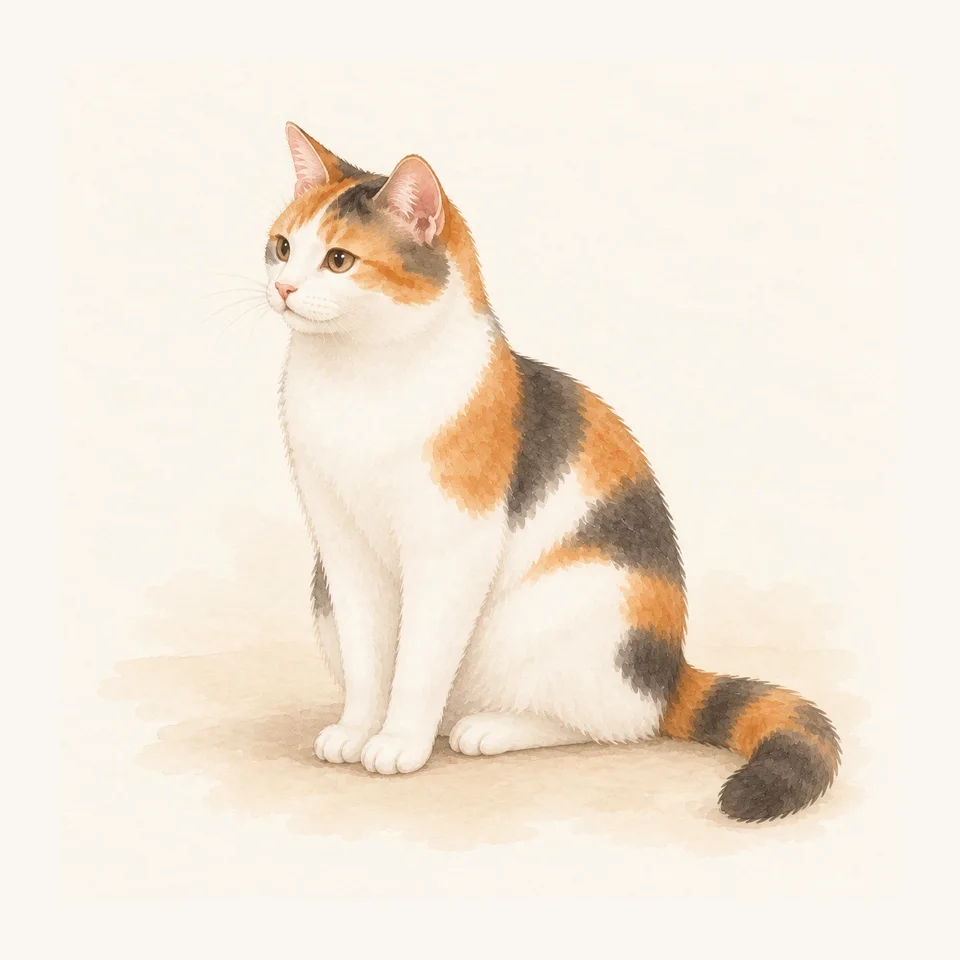
In the evening, when you sit in your usual seat, it comes over and lies down against you. It hangs back when there are many people but likes to stay close to the ones it knows. Where and when it rests hardly changes.

Read the type guide · ISFJ

Four dimensions, side by side

  • Social style

    Different
    ESTP
    Joins in
    ISFJ
    Prefers quiet
  • New experiences

    Same
    ESTP
    Likes the familiar
    ISFJ
    Likes the familiar
  • Closeness

    Different
    ESTP
    Keeps some space
    ISFJ
    Stays close
  • Daily rhythm

    Different
    ESTP
    Goes with the moment
    ISFJ
    Regular hours

Where their days may overlap

On these dimensions the two type descriptions lean the same way. Similar habits can mean easy company, and also wanting the same spot at the same time.

New experiences

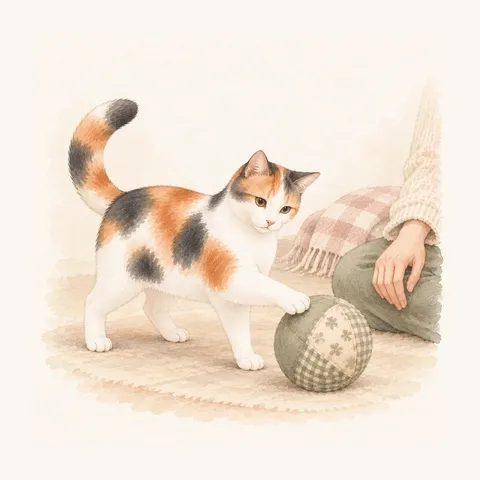
The Drop-In Player · The old toy, a sudden game
ESTP · Likes the familiar The old toy, a sudden game

The old ball rolls and it pounces from a standing start, as if seeing it for the first time.

The Blanket Buddy · The game you always play
ISFJ · Likes the familiar The game you always play

The cloth ball it has always played with still wins, all the more with your hand nearby.

A new cat, new furniture or a new smell is a big change for either of them. Change one thing at a time, and keep each cat’s own bed, blanket and favorite toy where they have always been.

Where each may want its own space

On these dimensions the descriptions lean in opposite directions. A difference is not a problem; it shows where each cat may need a choice of its own.

Social style

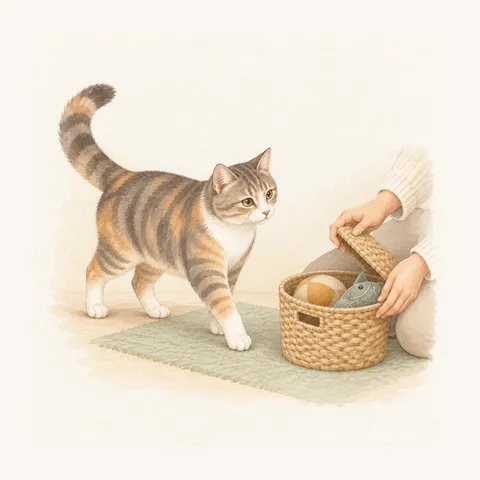
The Drop-In Player · Coming to see what’s going on
ESTP · Joins in Coming to see what’s going on

You open the toy basket and it is beside you before the lid is off, to see what comes out.

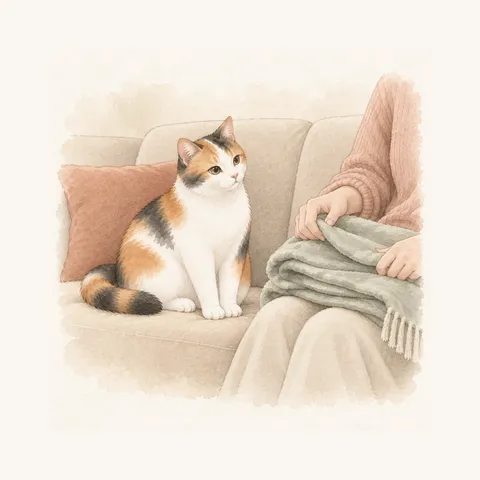
The Blanket Buddy · Watching the evening from the usual spot
ISFJ · Prefers quiet Watching the evening from the usual spot

It skips the busy rooms and sits beside you on the sofa while you fold the blanket.

Their days may cross only now and then, and that is fine. Keep a resting place the quieter cat can reach without passing through the busy part of the home, and let the more social one come to you for company.

Closeness

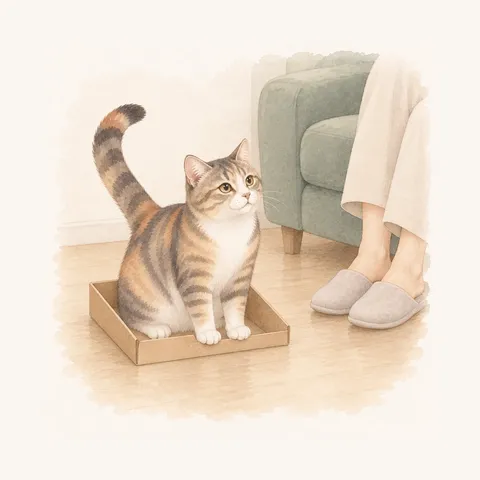
The Drop-In Player · Front row, at a slight distance
ESTP · Keeps some space Front row, at a slight distance

It sits in a low box at your feet: in the front row for whatever is going on, but not on your lap.

The Blanket Buddy · A cheek against a familiar hand
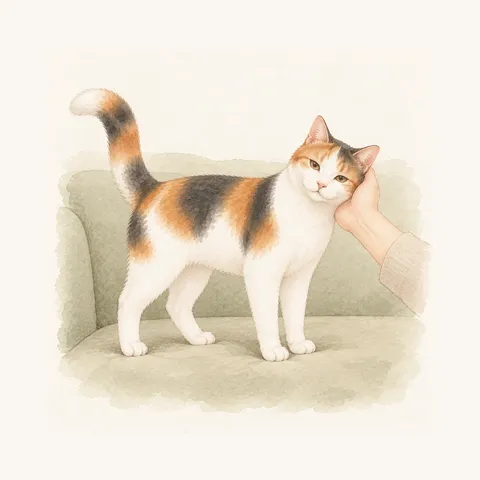
ISFJ · Stays close A cheek against a familiar hand

It leans its cheek into your hand and keeps it there for as long as you stay still.

Closeness that one cat offers, the other may not want. Watch whether the cat being approached stays, moves away or turns its head, and make sure it always has a way out.

Daily rhythm

The Drop-In Player · Resting where the game ended
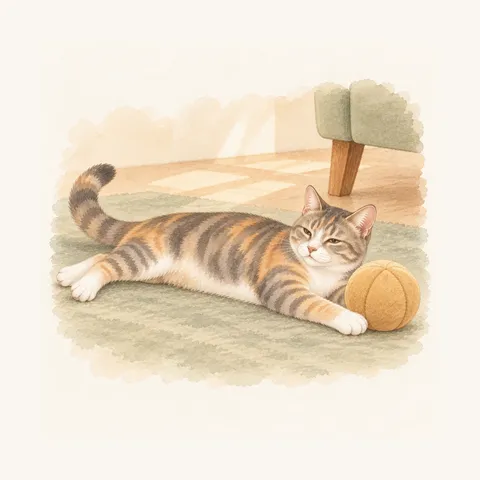
ESTP · Goes with the moment Resting where the game ended

When the game ends it lies down right there on the rug, one paw still on the ball.

The Blanket Buddy · The blanket beside your chair
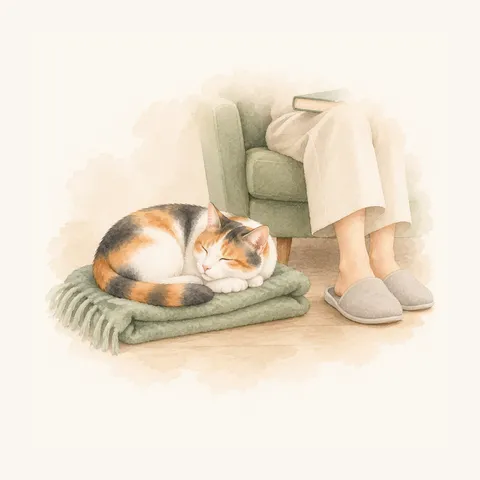
ISFJ · Regular hours The blanket beside your chair

It sleeps on the folded blanket beside your reading chair, in the same place each night.

One cat’s playtime may be the other’s nap. Keep the routine steady for the cat that relies on it, and offer the other a short game somewhere else when it gets going at an odd hour.

Introducing two cats

These steps are the same for any two cats, whatever their types. Go at the pace of the less comfortable cat.

  1. Give the newcomer a separate room with its own food, water, litter, hiding place and bed.
  2. When both cats are relaxed, swap bedding or other items that carry their scent.
  3. Let them see each other briefly through a secure barrier, then move on to short, supervised meetings.
  4. If either cat tenses up, go back a step and give them time apart.
Read the step-by-step introduction guide

More pairings

This compares type descriptions for fun. How two cats actually get along depends on each cat and their home. How it works