Skip to content

INFJ · ISTP cat types The Quiet Sitter and The Solo Player

They differ on 3 of 4 dimensions.

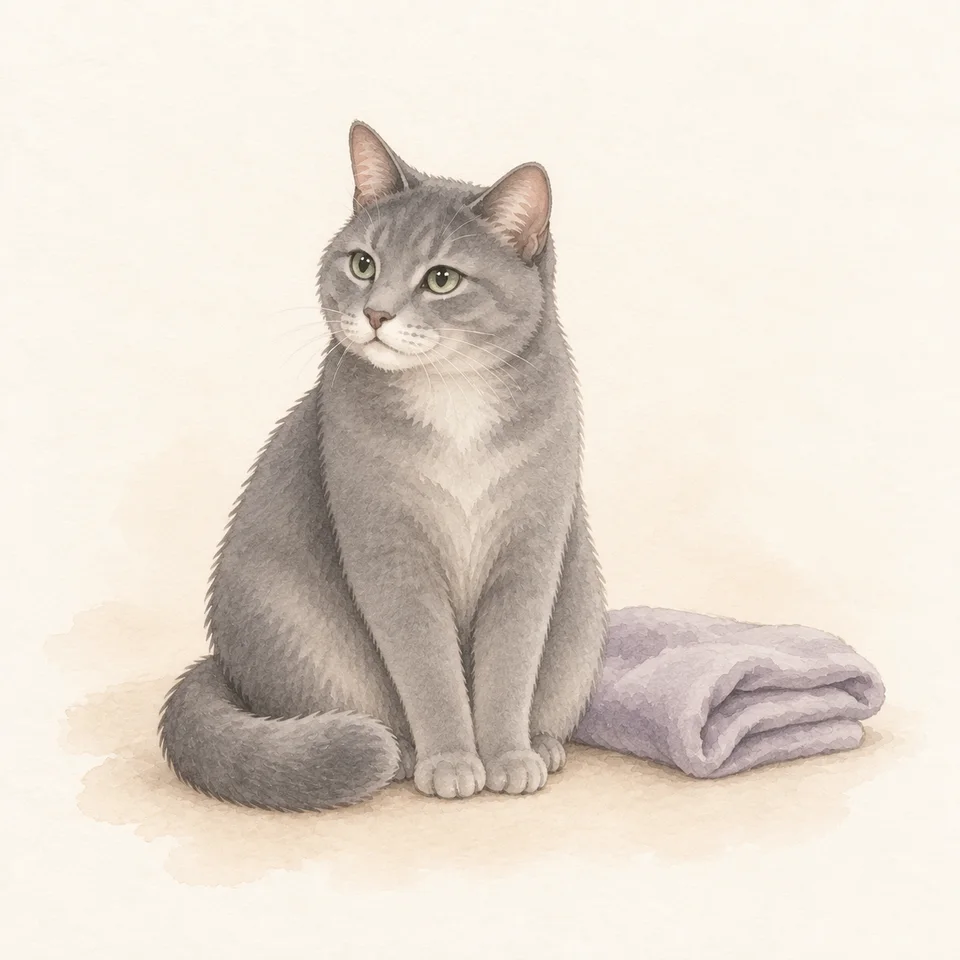
INFJThe Quiet Sitter

Prefers quiet · Tries new things · Stays close · Regular hours

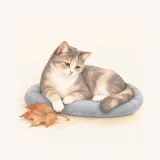
It keeps away when the house is busy. Once things quiet down, it jumps onto the arm of the sofa and sits beside you. It walks over slowly to look at a new toy, plays for a while, then comes back. Most evenings it shows up at that spot around the same time.

Read the type guide · INFJ
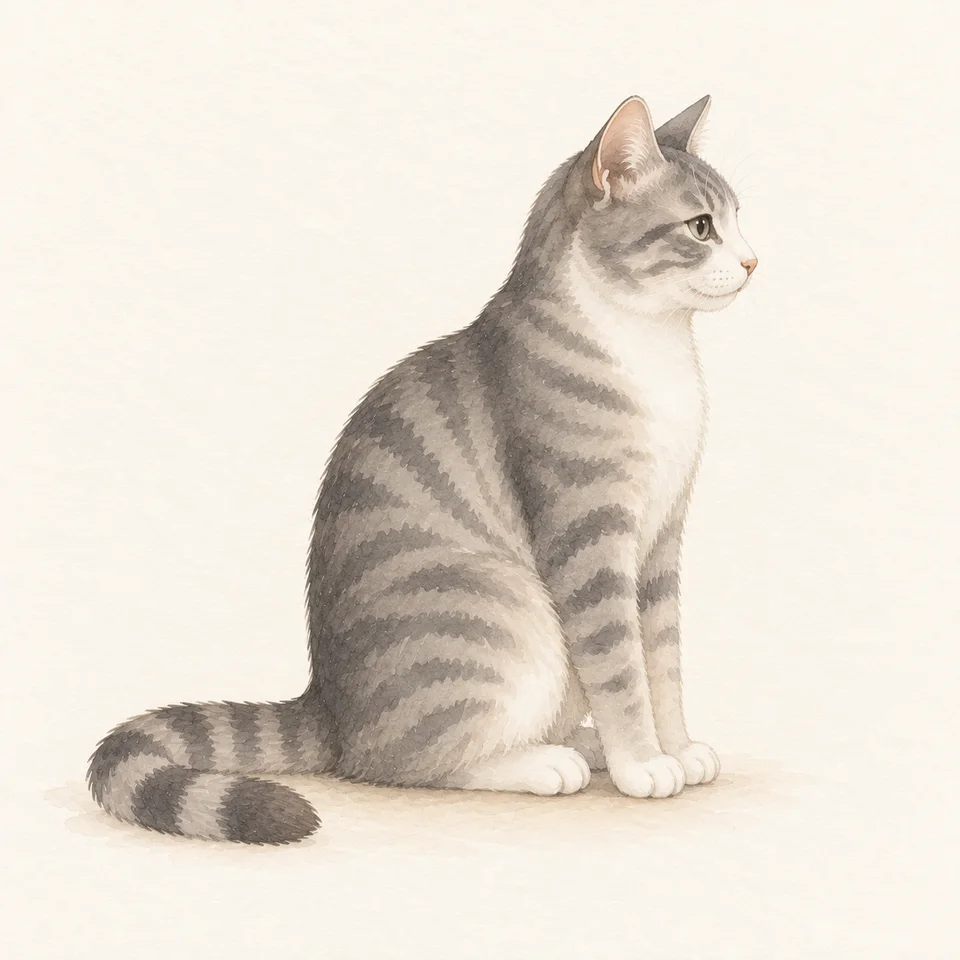
ISTPThe Solo Player

Prefers quiet · Likes the familiar · Keeps some space · Goes with the moment

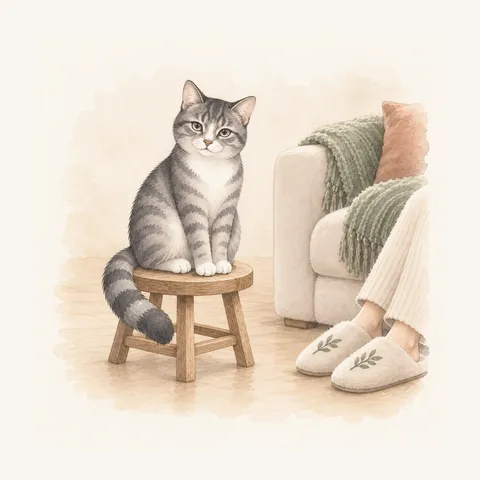
It spends most of its time on its own and can bat an old toy around the familiar rug for ages. When you are in the room, it watches from a stool and rarely comes over. There is no set time for play or sleep.

Read the type guide · ISTP

Four dimensions, side by side

  • Social style

    Same
    INFJ
    Prefers quiet
    ISTP
    Prefers quiet
  • New experiences

    Different
    INFJ
    Tries new things
    ISTP
    Likes the familiar
  • Closeness

    Different
    INFJ
    Stays close
    ISTP
    Keeps some space
  • Daily rhythm

    Different
    INFJ
    Regular hours
    ISTP
    Goes with the moment

Where their days may overlap

On these dimensions the two type descriptions lean the same way. Similar habits can mean easy company, and also wanting the same spot at the same time.

Social style

The Quiet Sitter · A quiet seat by the window
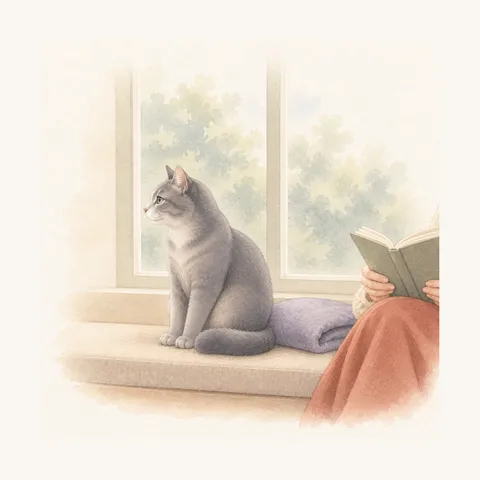
INFJ · Prefers quiet A quiet seat by the window

Its favorite company is one quiet person: it sits at the window while you read, a cushion between you.

The Solo Player · A quiet lap of the room
ISTP · Prefers quiet A quiet lap of the room

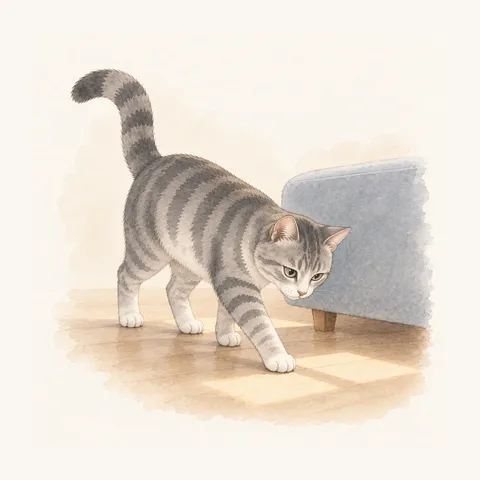
It makes a quiet lap of the empty living room and stops to inspect a patch of sun on the floor.

They may choose the same quiet spot. Offer several quiet resting places, in different rooms or at different heights, so each can be alone without having to guard a favorite corner.

Where each may want its own space

On these dimensions the descriptions lean in opposite directions. A difference is not a problem; it shows where each cat may need a choice of its own.

New experiences

The Quiet Sitter · Taking a new toy slowly
INFJ · Tries new things Taking a new toy slowly

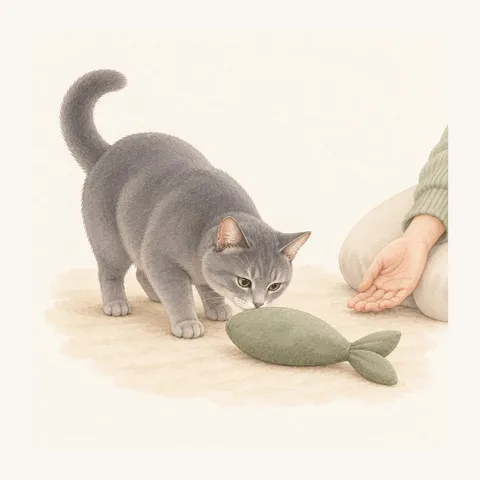
A new toy is sniffed slowly from one end to the other before the first careful pat.

The Solo Player · A solo game on the rug
ISTP · Likes the familiar A solo game on the rug

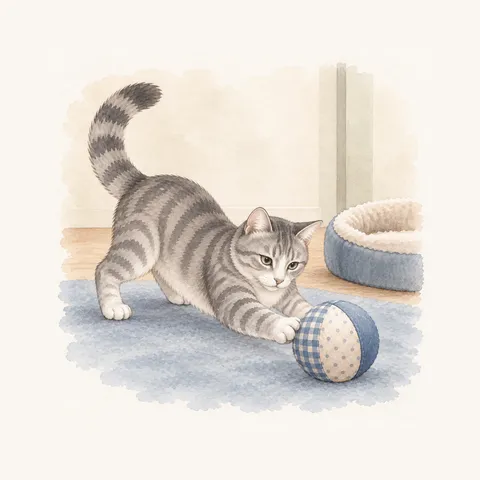
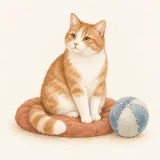
It crouches on the rug and bats the same old ball back and forth, with nobody watching.

A new toy may interest only one of them. Bring new things in without taking the old ones away, and let the more cautious cat watch from a distance for as long as it likes.

Closeness

The Quiet Sitter · Sitting by the reader
INFJ · Stays close Sitting by the reader

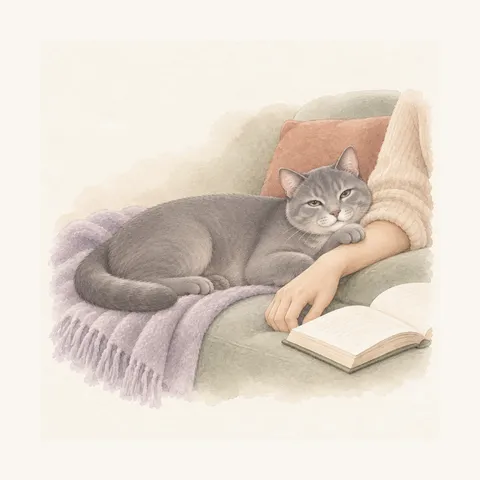
Once you settle with a book, it rests its cheek and one paw on your arm and stays there.

The Solo Player · Watching from the stool
ISTP · Keeps some space Watching from the stool

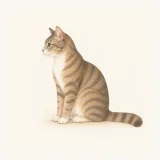
It sits on the stool by the sofa while you rest, looking out over the room, a comfortable gap in between.

Closeness that one cat offers, the other may not want. Watch whether the cat being approached stays, moves away or turns its head, and make sure it always has a way out.

Daily rhythm

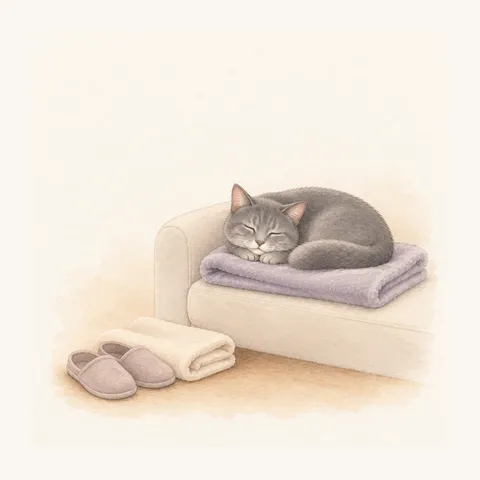
The Quiet Sitter · The evening blanket
INFJ · Regular hours The evening blanket

Every evening it curls up on the same folded blanket at the end of the sofa.

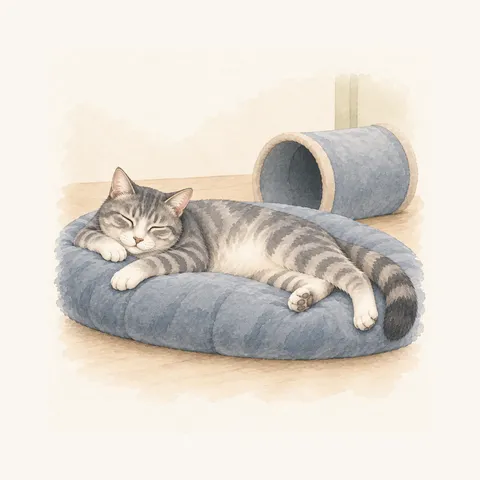
The Solo Player · A nap between games
ISTP · Goes with the moment A nap between games

Between games it stretches out on the floor cushion and sleeps, the tunnel still set up behind it.

One cat’s playtime may be the other’s nap. Keep the routine steady for the cat that relies on it, and offer the other a short game somewhere else when it gets going at an odd hour.

Introducing two cats

These steps are the same for any two cats, whatever their types. Go at the pace of the less comfortable cat.

  1. Give the newcomer a separate room with its own food, water, litter, hiding place and bed.
  2. When both cats are relaxed, swap bedding or other items that carry their scent.
  3. Let them see each other briefly through a secure barrier, then move on to short, supervised meetings.
  4. If either cat tenses up, go back a step and give them time apart.
Read the step-by-step introduction guide

More pairings

This compares type descriptions for fun. How two cats actually get along depends on each cat and their home. How it works