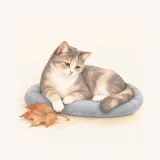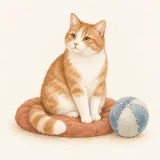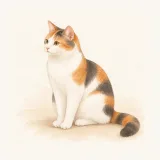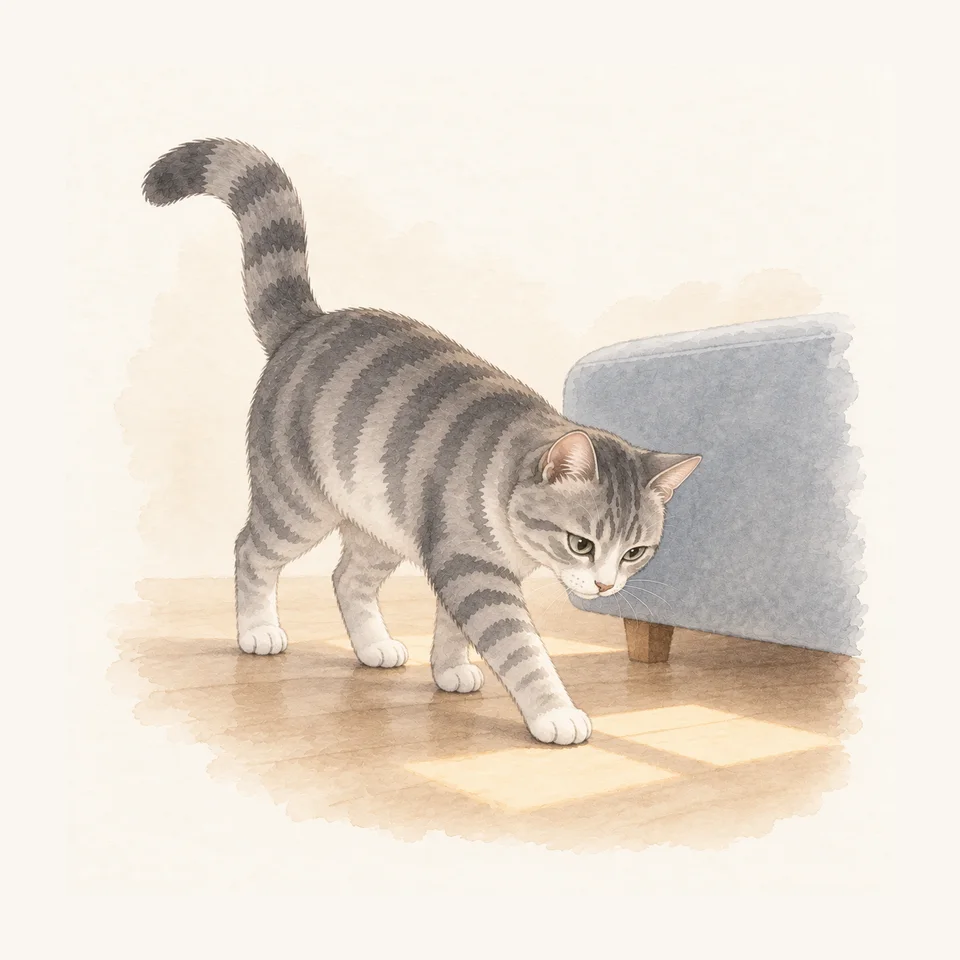
Company & curiosity
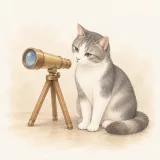
- Where does your cat choose to observe quietly?
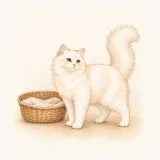
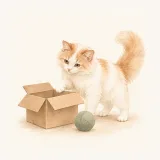
- Which familiar toys or places do they return to?
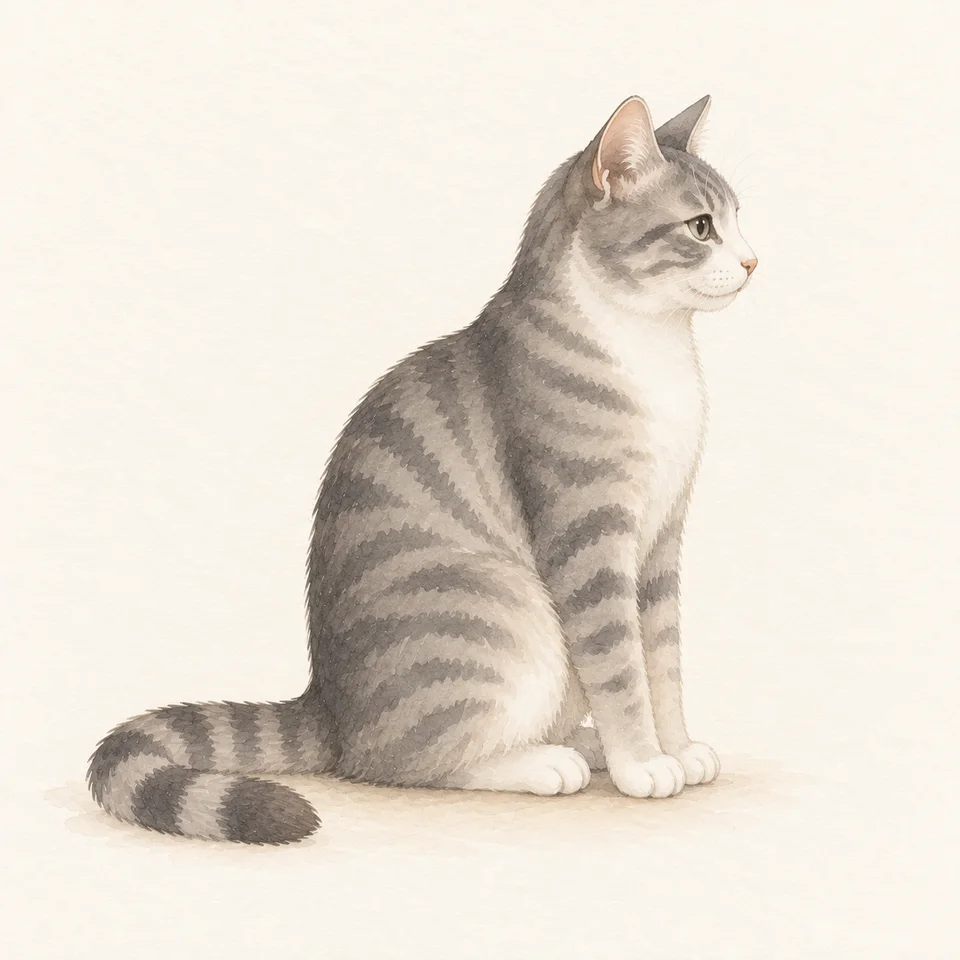
Prefers quiet · Likes the familiar · Keeps some space · Goes with the moment
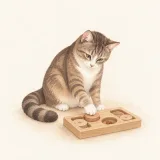
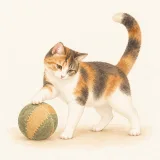
It spends most of its time on its own and can bat an old toy around the familiar rug for ages. When you are in the room, it watches from a stool and rarely comes over. There is no set time for play or sleep.
Everyday scenes
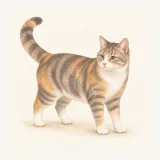
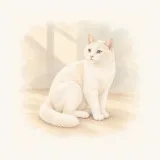
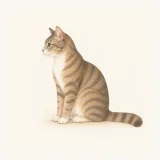
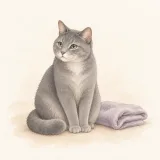
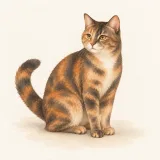
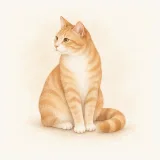
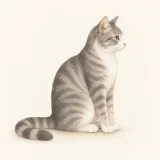
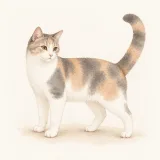
Four watercolor scenes from an imagined day, with a few questions to ask about your own cat. A real cat may choose differently from one day to the next.
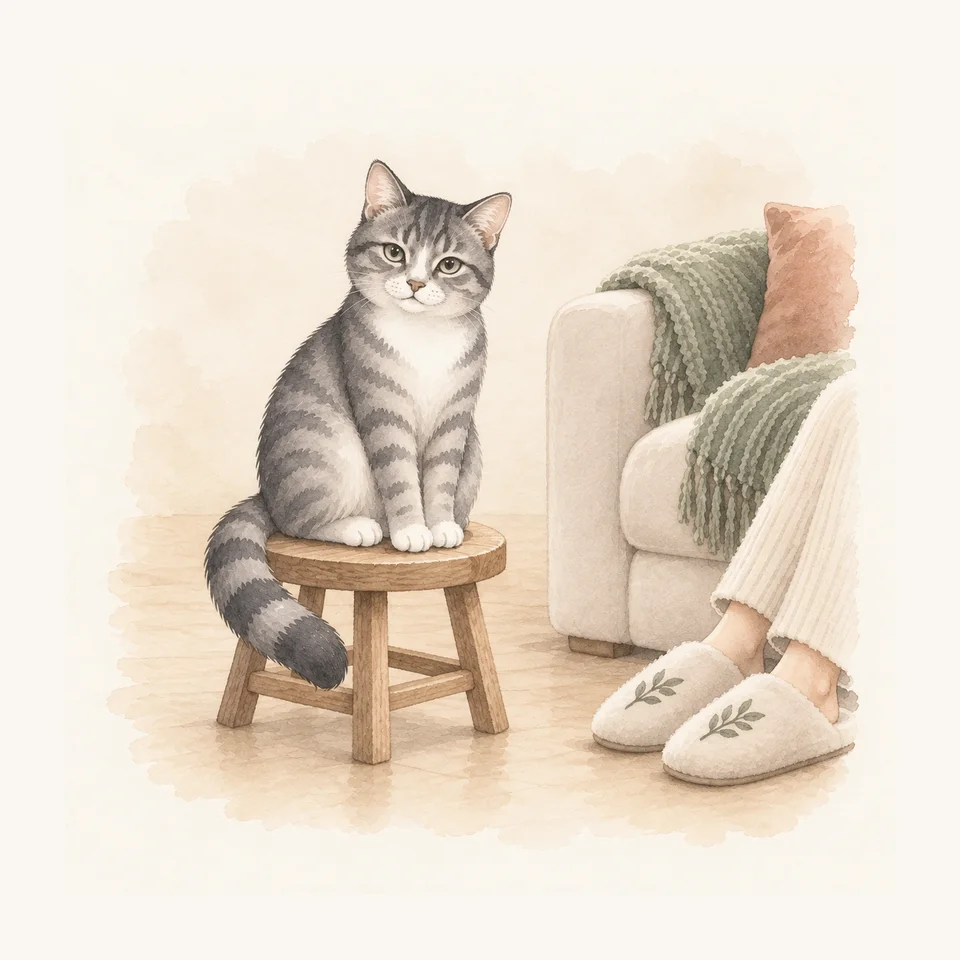
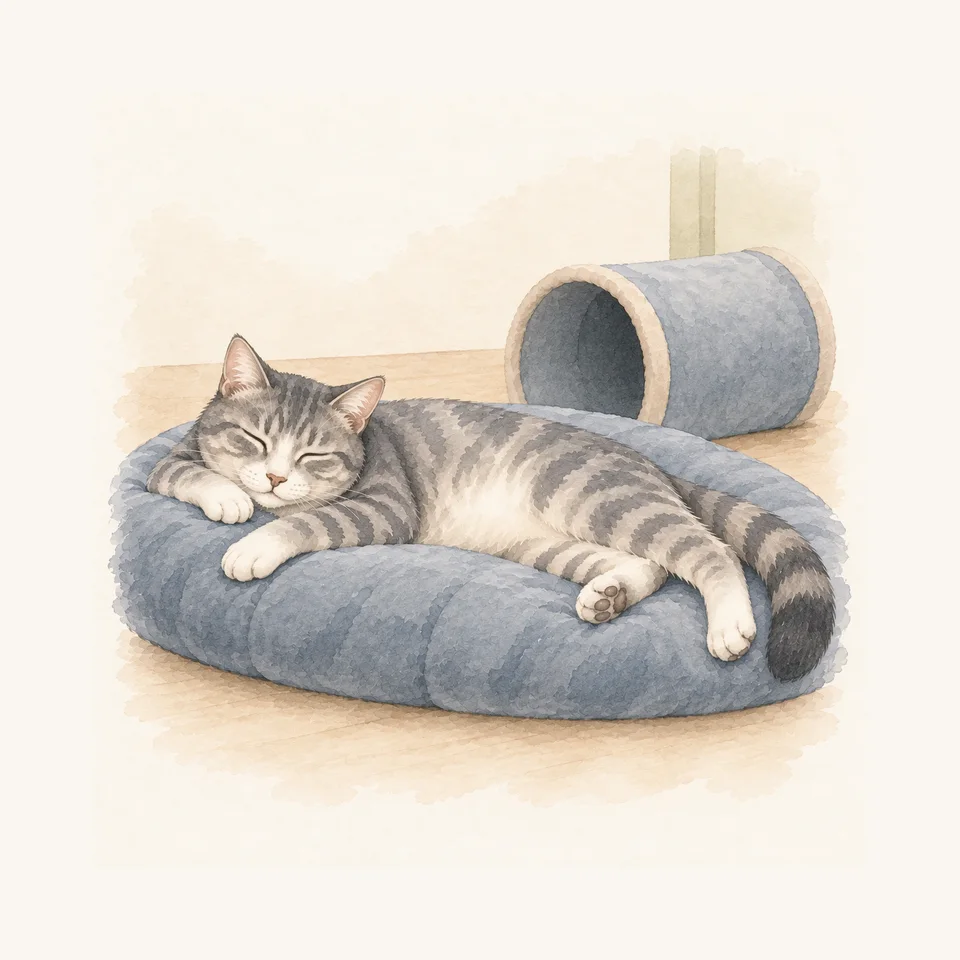
Leave a stretch of rug clear for its solo games, with the old ball where it can find it. A stool or a low shelf at the edge of the room lets it watch without being in the middle. Let it finish a game by itself; it does not need a partner to play.
Whatever the type, every cat needs food, water, a litter box, safe rest and play within easy reach. Adjust the home to this cat and to the cats already living there; a type cannot decide whether cats should live together.
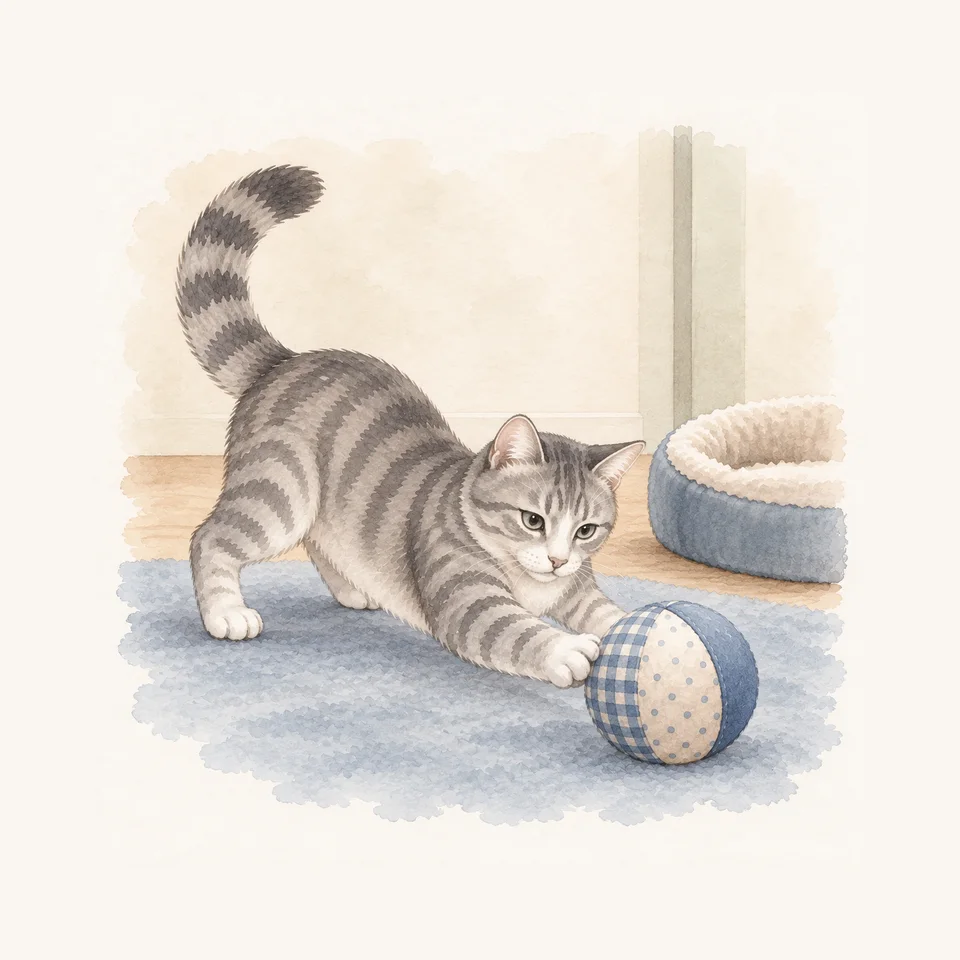
Playing alone for a long time with nobody watching can look like a cat that does not want people around. It does notice you: when you are in the room it takes the stool and keeps you in view. It prefers to watch from there and to run its own games.
It rarely comes to you, so it will not come to tell you that something is wrong. Read what it leaves behind: how fast the water goes down, the size and number of clumps in the litter box, how often it visits. Straining with little or no urine is an emergency.
A change from this cat’s usual pattern is a reason to check the body first. Note what changed and when it started, and ask your veterinarian instead of putting it down to the type.
Each of these types differs from ISTP on one dimension.
This compares type descriptions for fun. How two cats actually get along depends on each cat and their home.
View comparisonsAn ear turn can be a response too. Learn to notice small signals and make contact an invitation.
Just for fun. The questions draw on cat behavior research, but the quiz itself has not been scientifically validated and cannot diagnose anything.