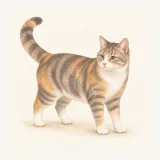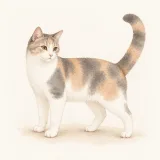
Company & curiosity
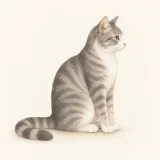
- Where does your cat choose to observe quietly?
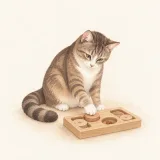
- How do they approach a new toy or space?
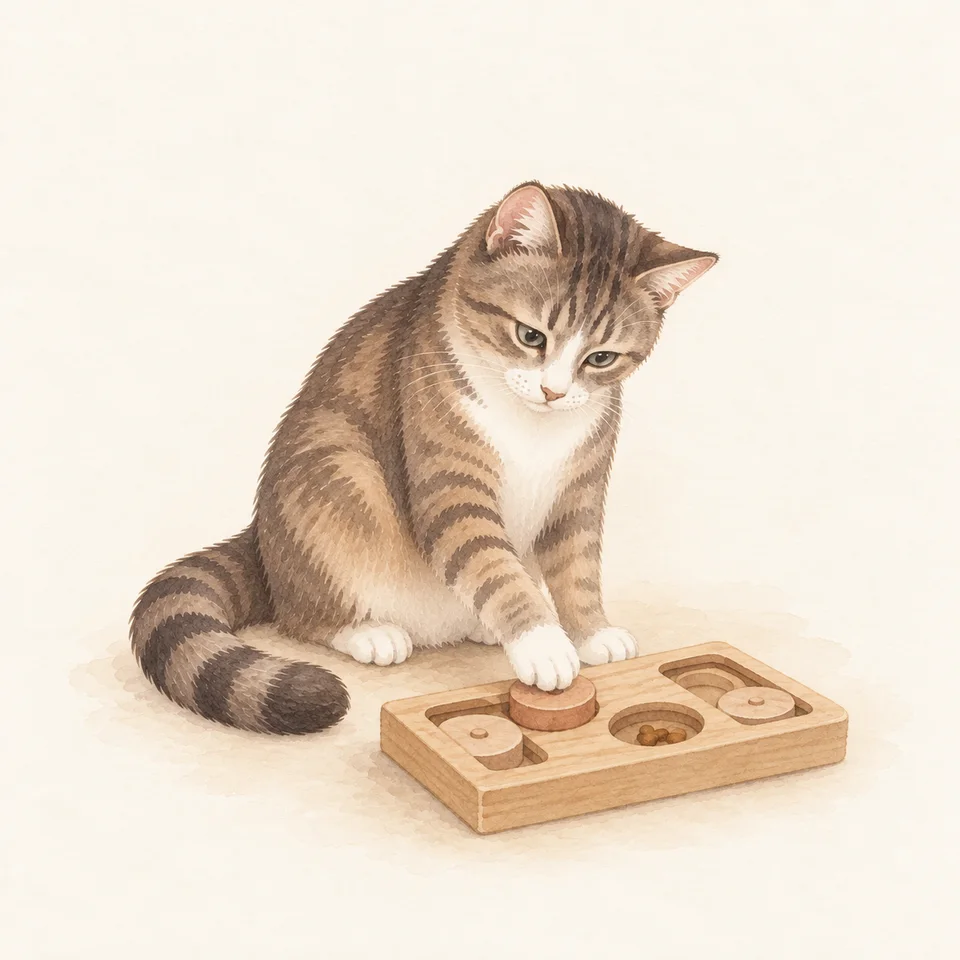
Prefers quiet · Tries new things · Keeps some space · Goes with the moment
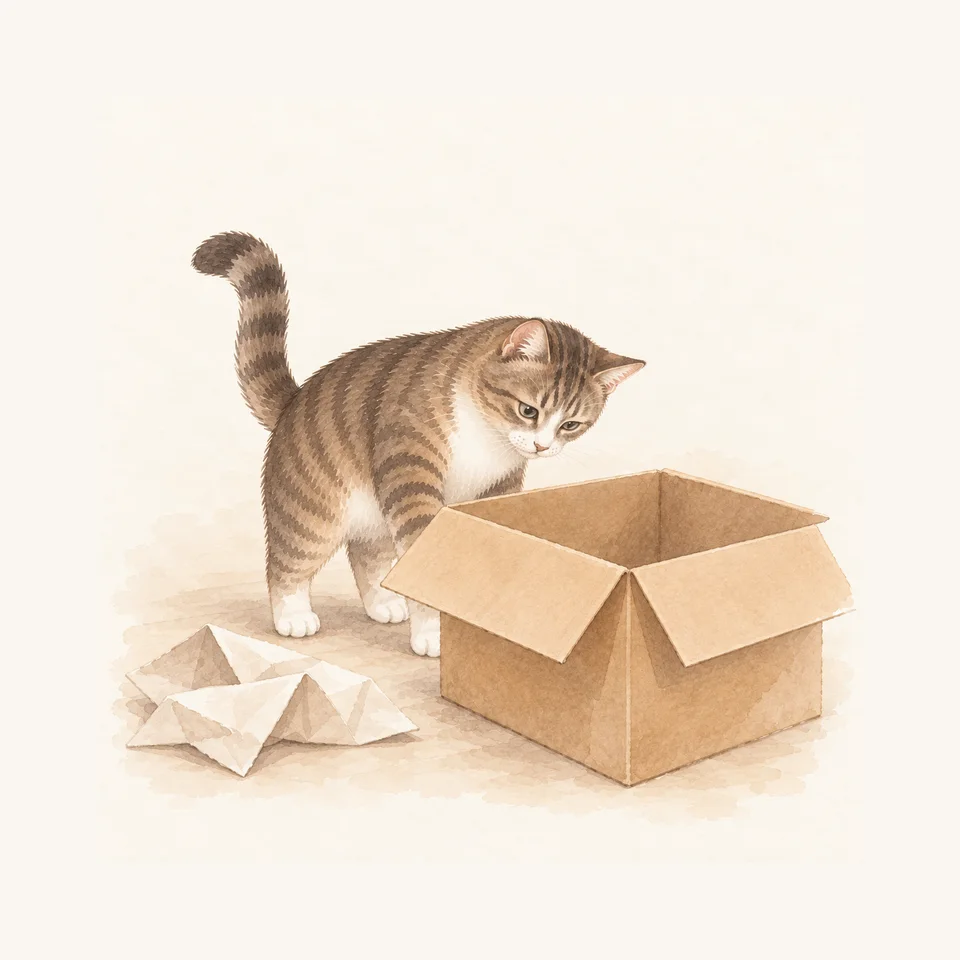
A new cardboard box can keep it busy all afternoon, in and out and in again. It mostly plays alone; if you come closer, it glances up and carries on. Today it naps on the bookshelf, tomorrow in the box, and its schedule changes without warning.
Everyday scenes
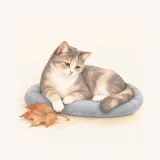
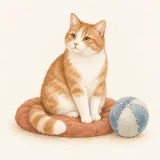
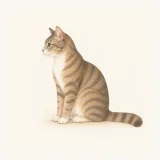
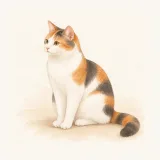
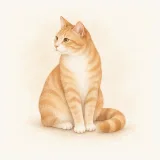
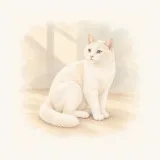
Four watercolor scenes from an imagined day, with a few questions to ask about your own cat. A real cat may choose differently from one day to the next.
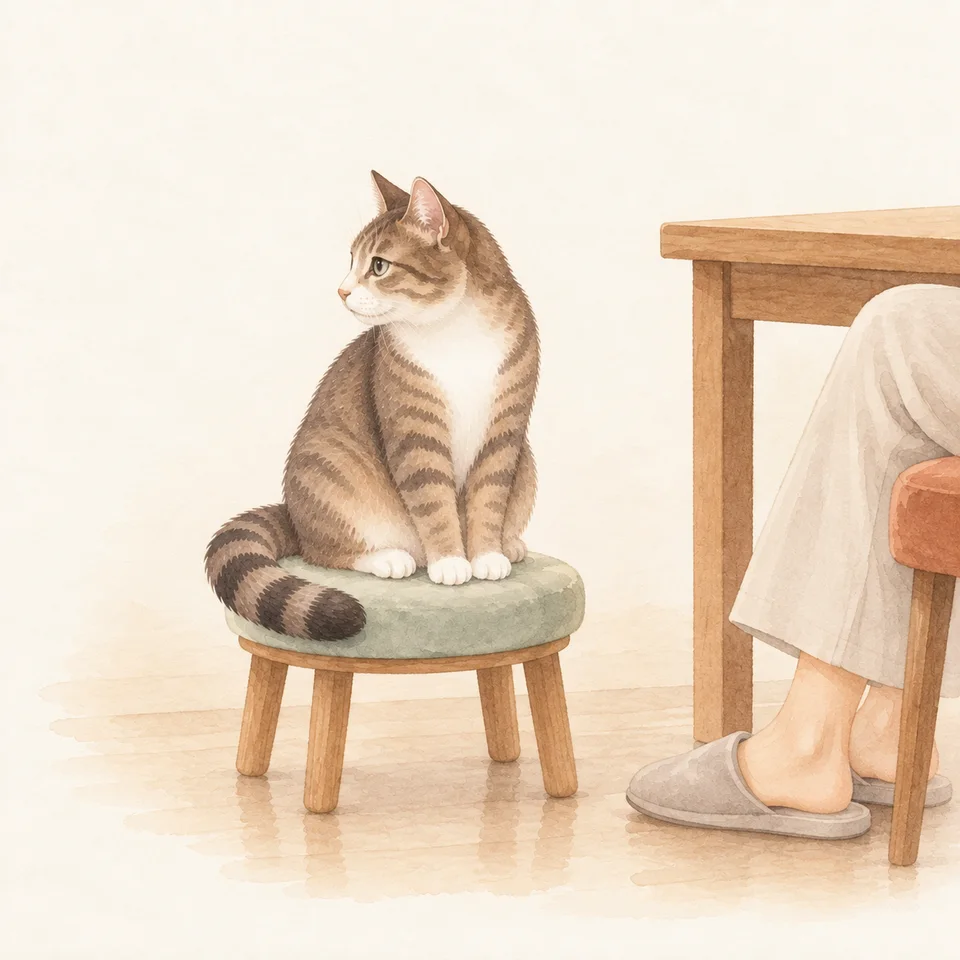
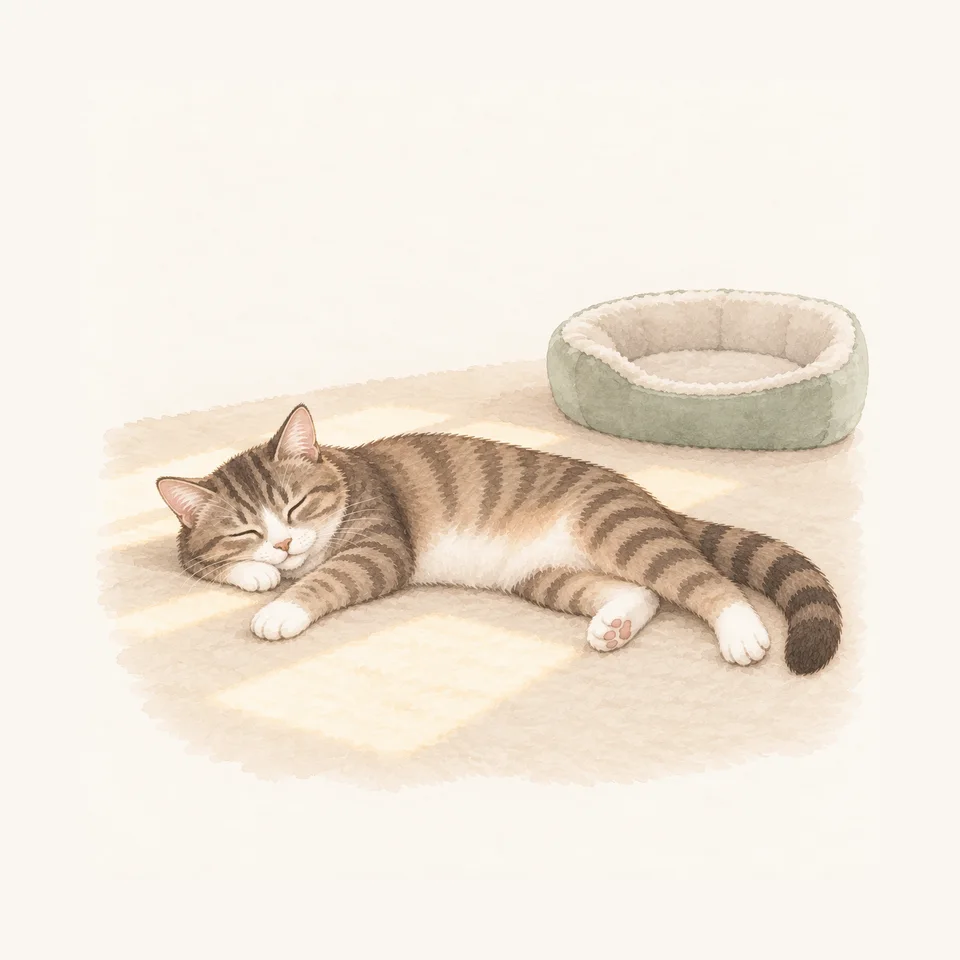
Leave a new box out for a few days before recycling it, and keep several resting spots within reach of the afternoon sun. It changes where it sleeps, so a few plain spots serve it better than one bed it is expected to use.
Whatever the type, every cat needs food, water, a litter box, safe rest and play within easy reach. Adjust the home to this cat and to the cats already living there; a type cannot decide whether cats should live together.
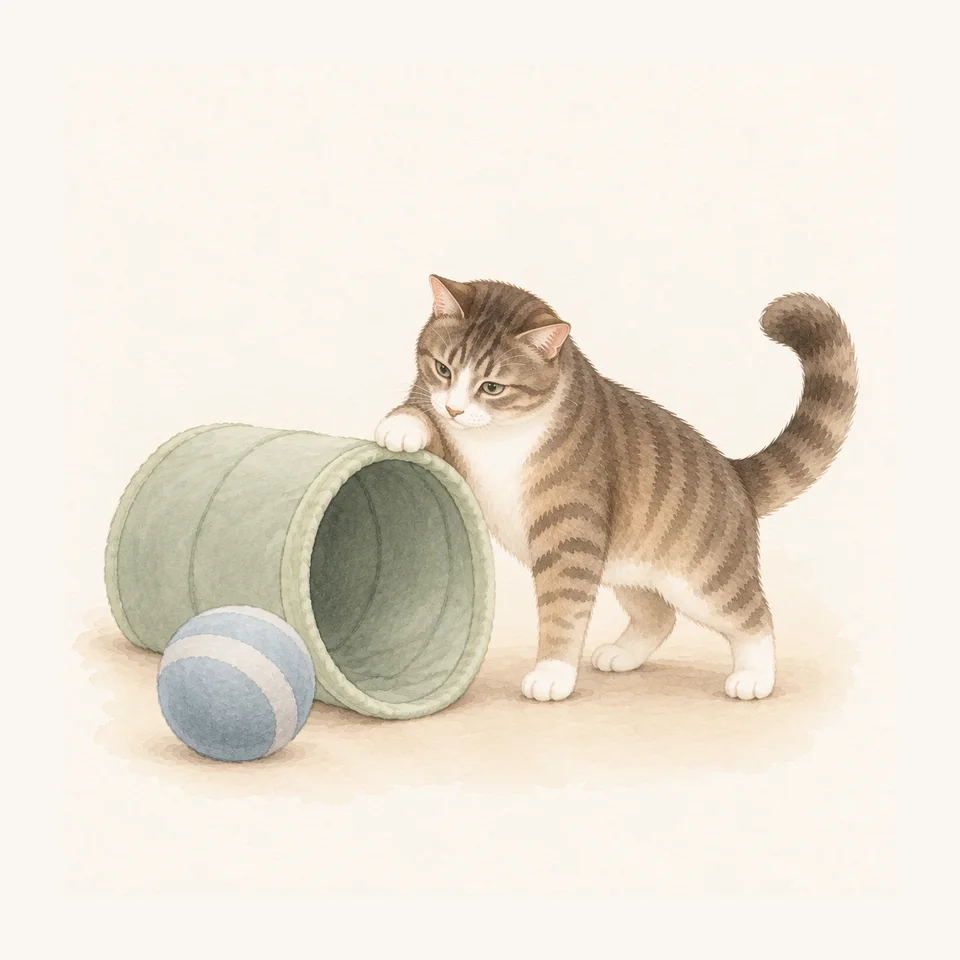
When it glances up and goes back to the box, it has not dismissed you. It has seen you and is choosing to finish what it started. A bed that goes unused is not a rejected gift either; this cat picks its sleeping place fresh each day.
It normally changes sleeping places from day to day. If it stops using the bookshelf, hesitates before jumping into a box, or stays in one low spot for days, that is a change in how it moves and not a new preference. Notice whether it also grooms less or moves stiffly.
A change from this cat’s usual pattern is a reason to check the body first. Note what changed and when it started, and ask your veterinarian instead of putting it down to the type.
Each of these types differs from INTP on one dimension.
This compares type descriptions for fun. How two cats actually get along depends on each cat and their home.
View comparisonsAn ear turn can be a response too. Learn to notice small signals and make contact an invitation.
Just for fun. The questions draw on cat behavior research, but the quiz itself has not been scientifically validated and cannot diagnose anything.