Company & curiosity
- When does your cat choose to join people?
- How do they approach a new toy or space?
Joins in · Tries new things · Keeps some space · Goes with the moment
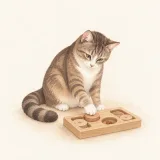
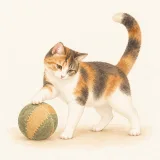
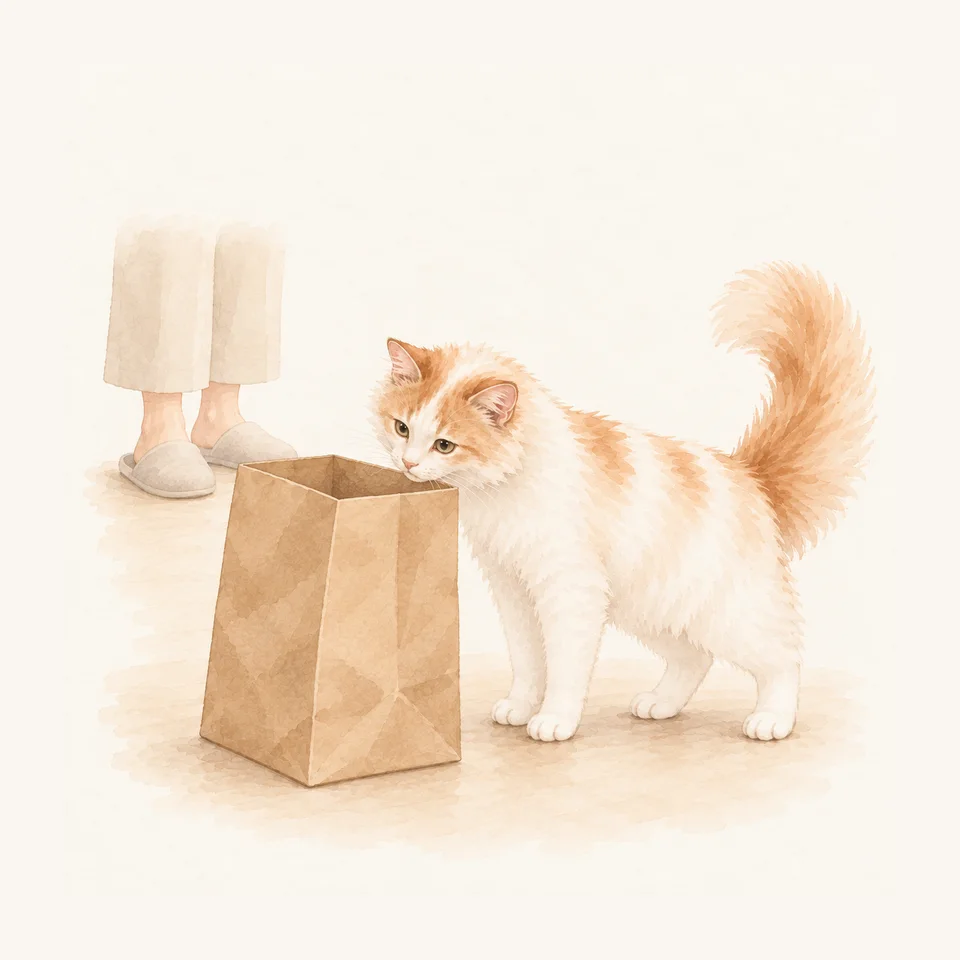
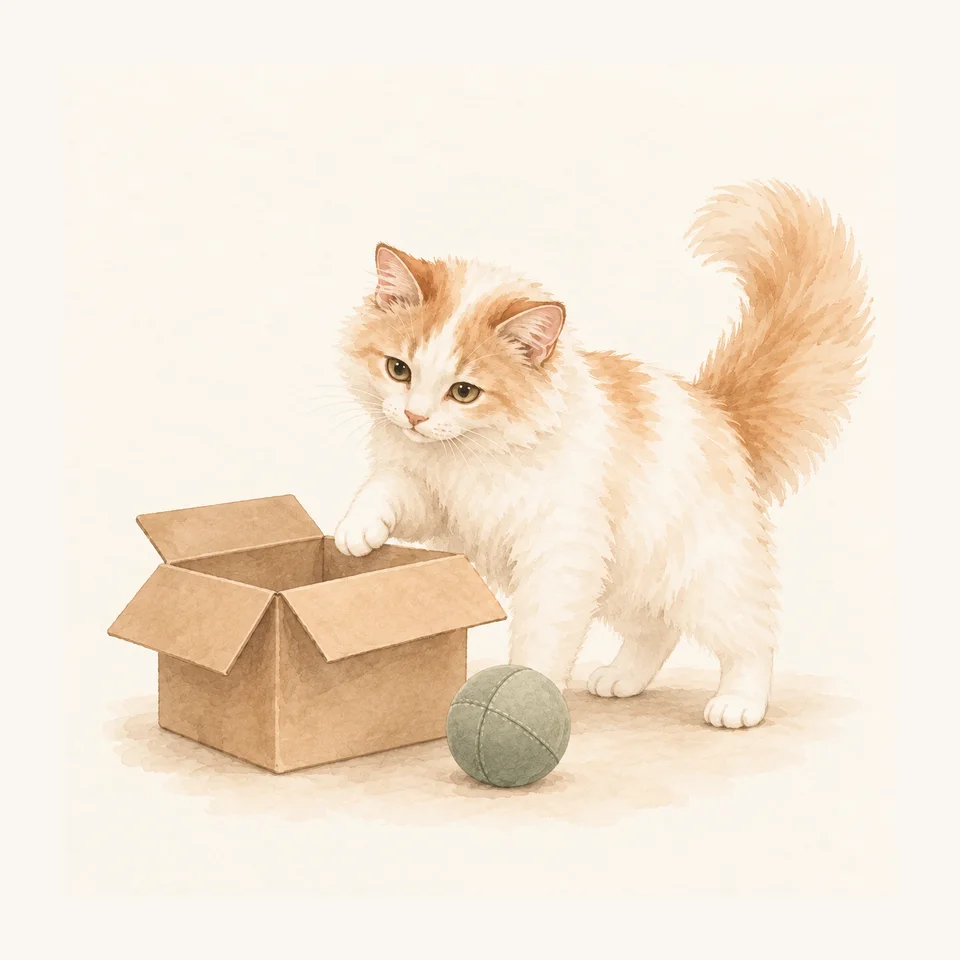
When guests come, it goes over to sniff their shoes and bags. Give it a new toy and it often finds a use you did not expect. It likes to wander around where people are, without always wanting to be touched. When it plays and where it sleeps change from day to day.
Everyday scenes
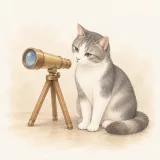
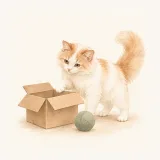
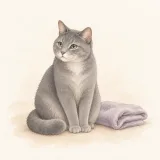
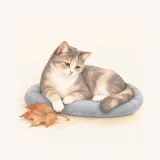
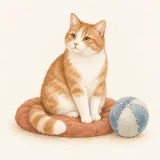
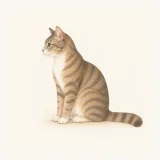
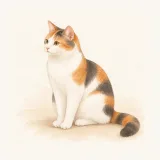
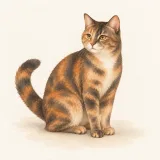
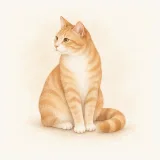
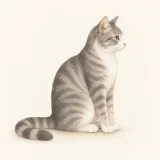
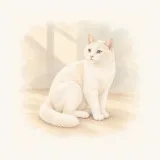
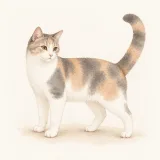
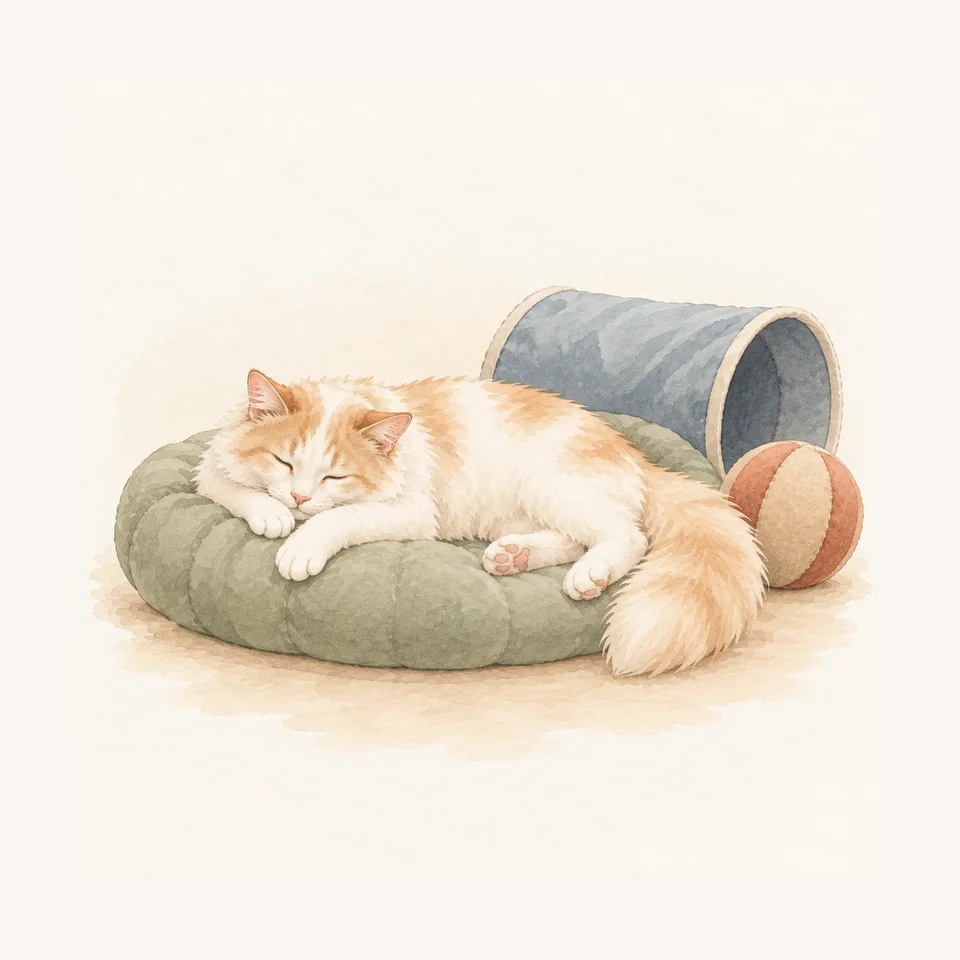
Four watercolor scenes from an imagined day, with a few questions to ask about your own cat. A real cat may choose differently from one day to the next.
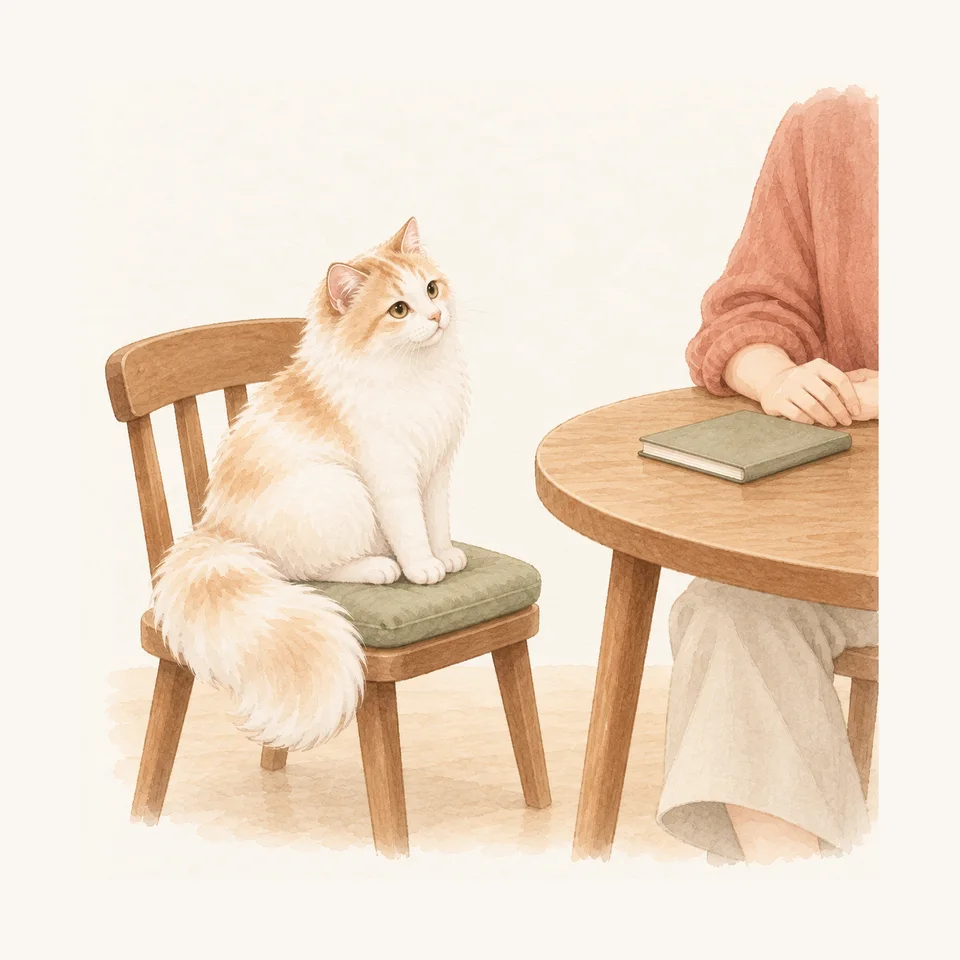
Keep a chair or stool free near where people sit, so it can join in from its own seat. Change what is out from time to time: two boxes one week, a paper bag the next. When guests arrive, let it walk over to their bags; do not carry it to them.
Whatever the type, every cat needs food, water, a litter box, safe rest and play within easy reach. Adjust the home to this cat and to the cats already living there; a type cannot decide whether cats should live together.
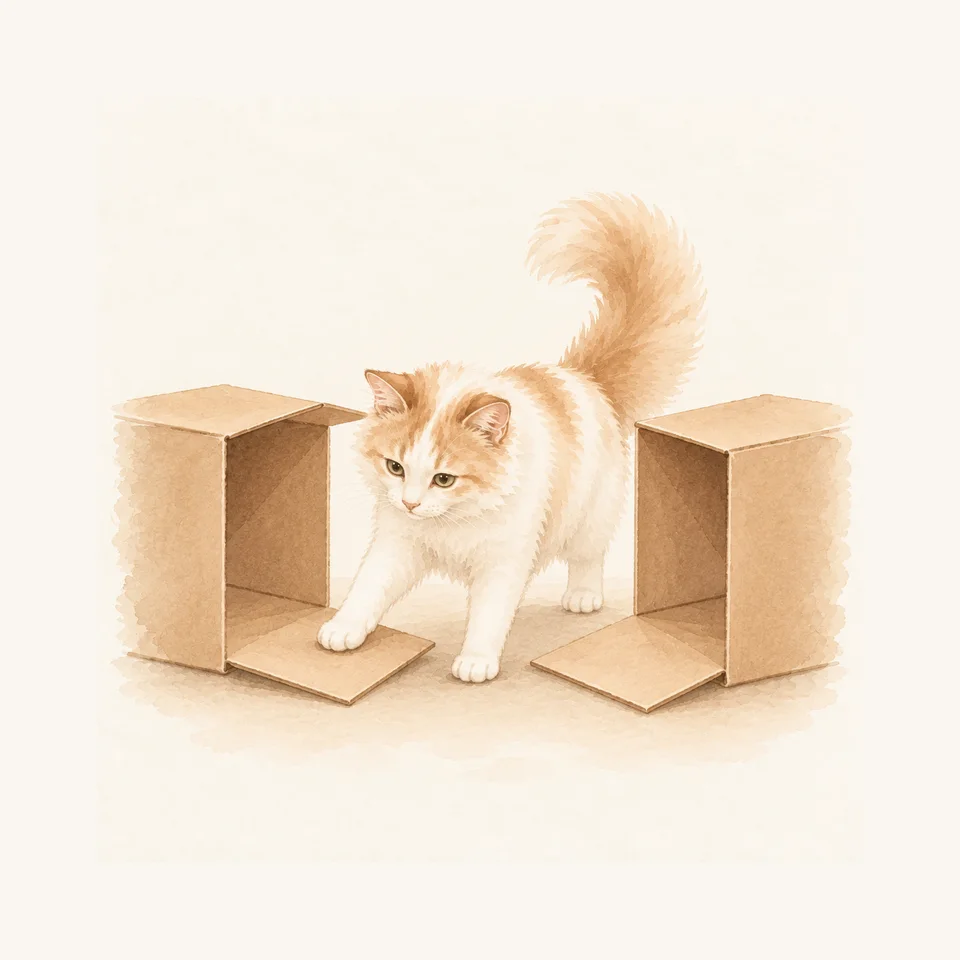
A cat that walks straight up to a guest’s bag is not asking the guest to stroke it. It came for the bag. Wandering among the people in a room and then stepping away from a hand is one consistent choice: it wants to be near, not held.
Its days have no fixed pattern, so a skipped game or a new sleeping place tells you little. The litter box is the steadier record. More visits than usual, straining, or urine or stool outside the box are not part of being unpredictable; new accidents can reflect pain or illness.
A change from this cat’s usual pattern is a reason to check the body first. Note what changed and when it started, and ask your veterinarian instead of putting it down to the type.
Each of these types differs from ENTP on one dimension.
This compares type descriptions for fun. How two cats actually get along depends on each cat and their home.
View comparisonsIs your cat outgoing or more reserved? Compare everyday social behavior, respect their choice of distance, and notice changes over time.
Just for fun. The questions draw on cat behavior research, but the quiz itself has not been scientifically validated and cannot diagnose anything.